Comprehensive Guide to Pollution Liability Insurance: Coverage, Types, and Business Protection
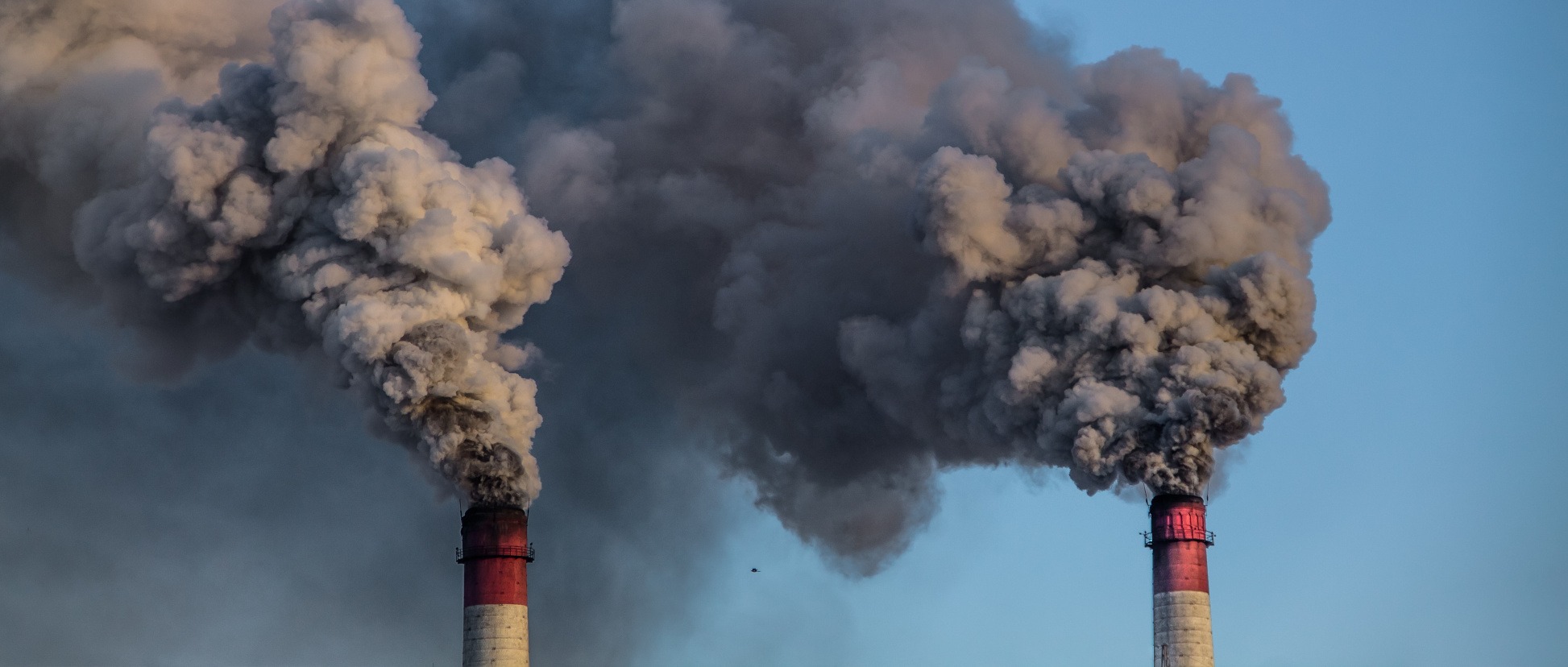
Pollution liability insurance—also called environmental liability insurance or environmental impairment liability—protects businesses from the financial consequences of contamination, cleanup, and third-party claims arising from environmental releases. This guide explains how pollution liability insurance works, who needs it, and which policy forms address specific risks so business owners can choose coverage that limits cleanup costs, legal defense, and property or bodily injury claims. Readers will learn how standard general liability policies commonly exclude pollution risks, how Contractors Pollution Liability (CPL), Site Pollution Liability (SPL), Environmental Impairment Liability (EIL), and Pollution Legal Liability (PLL) differ, and practical steps for securing appropriate limits and endorsements. The article covers industry scenarios—construction, manufacturing, real estate, agribusiness, and waste services—illustrates typical claim workflows, and includes comparison tables and actionable checklists. Finally, it explains how a local advisor can coordinate pollution coverage with a client’s broader commercial insurance portfolio and streamline quotes and proactive reviews to simplify risk transfer for small and mid-sized businesses.
What Is Pollution Liability Insurance and Why Is It Essential for Businesses?
Pollution liability insurance is a specialized commercial insurance product that pays for cleanup, third-party bodily injury, property damage, and defense costs triggered by the release of pollutants from a business’s operations or property. The policy functions by responding to covered pollution “triggers” such as sudden and accidental discharges or, where endorsed, gradual releases discovered later, helping businesses avoid large out-of-pocket remediation bills and lengthy litigation. Without pollution coverage, companies face exposure from regulatory cleanups and neighbor claims when standard general liability policies apply pollution exclusions; this gap can threaten business continuity and real estate transactions. Understanding the gap between general liability and pollution-specific policies is the first step toward choosing the right form of environmental insurance and tailoring limits to likely remediation and third-party costs.
How Does Pollution Liability Insurance Protect Against Environmental Risks?
Pollution liability insurance protects businesses by funding investigation, remediation, third-party claims, and legal defense when a covered pollution event occurs. Coverage typically begins when there is a covered trigger—such as a documented release, discovery of contamination, or a written claim—and the insurer coordinates response work with approved vendors to contain and remediate impacts. For example, a contractor’s accidental fuel spill during excavation can activate a CPL policy to pay for soil removal, groundwater testing, and neighbor property claims, while an on-site tank leak at a manufacturing plant could trigger SPL to fund underground tank replacement and regulatory oversight. This claims workflow—notification, investigation, remediation selection, and settlement—keeps businesses solvent and demonstrates to regulators that responsible steps were taken, which often limits enforcement penalties.
Why Do Standard General Liability Policies Exclude Pollution Coverage?
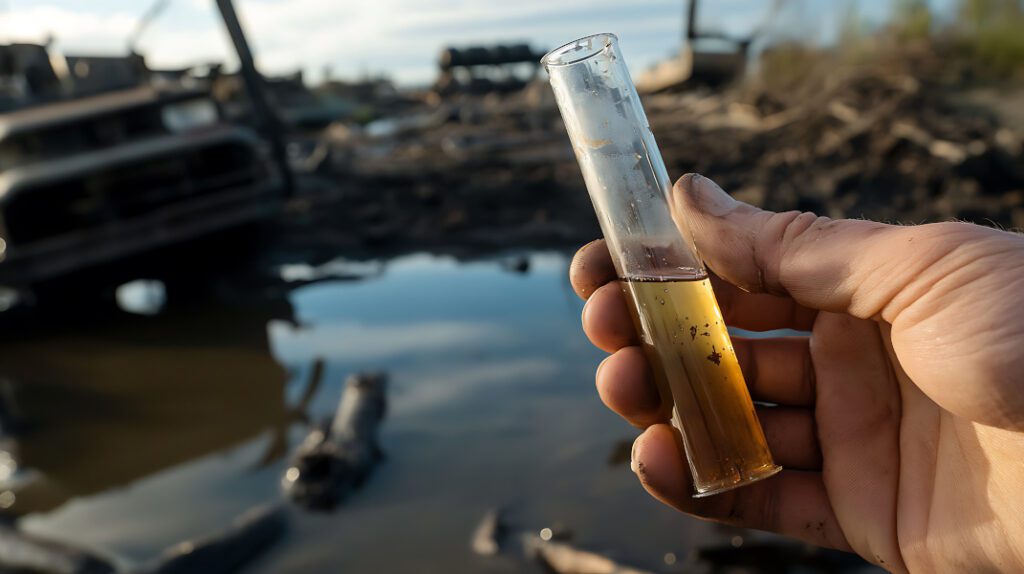
Standard commercial general liability (GL) policies commonly exclude pollution because environmental contamination can produce catastrophic, long-tail liabilities and regulatory cleanup obligations that exceed typical GL assumptions. Exclusionary language narrows GL exposure by removing coverage for losses arising from pollutants, leaving businesses to seek specialized environmental liability policies for those risks. As a practical example, a GL carrier may deny a claim for groundwater contamination caused by a manufacturing process, citing a pollution exclusion, which leaves the insured responsible for expensive remediation and third-party suits. Recognizing this exclusion motivates businesses to evaluate pollution exposures and add targeted environmental policies or endorsements to fill those protection gaps and align coverage with regulatory and operational realities.
What Are the Main Types of Pollution Liability Insurance Coverage?
Pollution liability insurance comes in several principal forms—each tailored to who is insured and what activities or properties are covered—so selecting the right policy depends on operations, ownership, and transaction needs. The major hyponyms include Contractors Pollution Liability (CPL), Site Pollution Liability (SPL), Environmental Impairment Liability (EIL), and Pollution Legal Liability (PLL). Understanding these distinctions helps insureds choose coverage that matches operational triggers, historical contamination risks, and transactional liabilities. The following table provides a concise Entity-Attribute-Value comparison to clarify typical users, common triggers, usual limits, and frequent exclusions for each policy type.
This comparison clarifies which policy forms align with different exposure profiles, guiding purchasing decisions and limit selection.
What Is Contractors Pollution Liability Insurance?
Contractors Pollution Liability (CPL) protects contractors and subcontractors when pollution is caused by on-site operations, including accidental spills, disturbance of contaminated soil, or mishandling of hazardous materials during work. CPL differs from site-based coverage by focusing on operational triggers tied to a specific project or scope of work, and it typically includes coverage for third-party bodily injury, property damage, cleanup costs, and legal defense. Contractors should consider project-specific limits, pollution cleanup and remediation endorsements, and subcontractor coverage language to ensure downstream operations don’t create uninsured exposure. For bidding and contract compliance, CPL evidence and carefully drafted pollution endorsements reduce the risk of contract disputes and uninsurable liabilities.
What Is Site Pollution Liability Insurance?
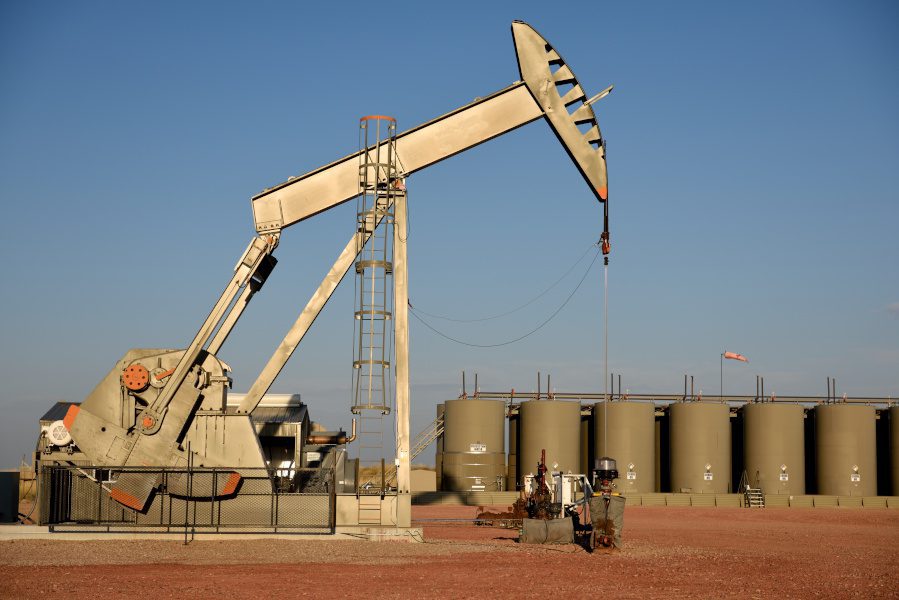
Site Pollution Liability (SPL) targets owners and operators of fixed properties where legacy contamination, storage tanks, or ongoing discharges create risk of costly remediation and third-party claims. SPL is structured to cover on-site and off-site cleanup, regulatory oversight, and damages to neighboring properties when contamination originates from a covered site. Common use cases include manufacturing sites with historical waste, retail locations with underground storage tanks, and redevelopment properties subject to environmental due diligence. When acquiring or managing property, SPL helps bridge remediation funding gaps and supports transaction continuity by providing financial assurance for discovered conditions.
How Does Environmental Impairment Liability Differ from Other Policies?
Environmental Impairment Liability (EIL) is often broader in scope and focuses on ongoing operational exposures and regulatory defense, making it suitable where continuous environmental compliance and permit-related risks exist. EIL policies may include coverage for sudden releases and permit breach defense costs, and they can be tailored to specific operational nuances like wastewater discharge or emissions. Unlike CPL, which centers on contract work, or SPL, which targets a site, EIL emphasizes operational continuity and regulatory interactions. Selecting EIL makes sense for businesses with recurring environmental interfaces—such as facilities with complex permitting or continuous handling of hazardous materials—because it harmonizes operational risk management with legal defense resources.
What Is Pollution Legal Liability Insurance?
Pollution Legal Liability (PLL) is frequently used to address environmental liabilities arising from property transactions, storage tanks, or known contamination issues identified during site assessments. PLL is transactional in nature, providing financial protection for buyers, sellers, lenders, and owners against remediation and third-party claims discovered after a sale or closing. Typical PLL applications include indemnifying a purchaser for unknown contamination discovered post-closing or covering cleanup costs tied to tank removals. For commercial real estate deals, PLL can bridge negotiation impasses by allocating environmental risk through insured protection rather than protracted indemnities.
Who Needs Pollution Liability Insurance? Target Industries and Business Scenarios
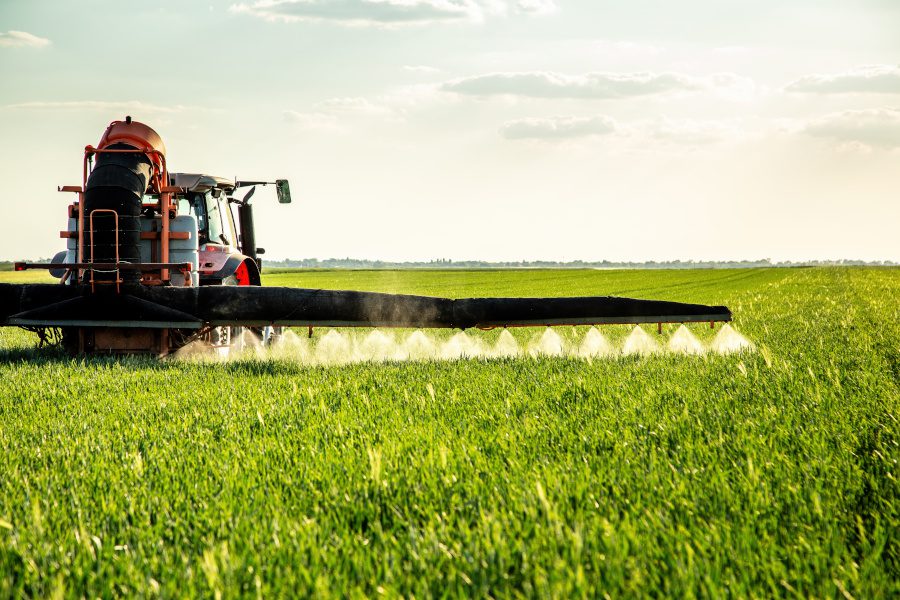
Certain industries face heightened environmental risk because their operations, equipment, or materials create plausible release pathways that can trigger cleanup and third-party claims. Businesses that commonly need pollution liability insurance include construction contractors who disturb contaminated soils, manufacturers handling hazardous substances, real estate owners involved in redevelopment, agribusiness with pesticide or fertilizer runoff potential, and waste haulers or tank operators with transportation and storage risks. Identifying which category fits a firm’s operations helps prioritize the right policy form and limit structure. Small and medium businesses benefit from scaled coverages and risk management advice to match budgets and exposure profiles, improving protection while controlling premium costs.
Introductory table to help industry readers self-identify the typical risk profile and rationale for coverage.
This industry matrix helps business owners self-assess exposures and prioritize whether CPL, SPL, EIL, or PLL best fits their needs.
Which Industries Face the Highest Environmental Risks?
Construction, manufacturing, waste management, real estate redevelopment, and agricultural operations consistently top the list for environmental exposures because their activities create clear release mechanisms and potential for off-site impacts. Construction projects that disturb soil or handle fuel create short-term but intense risk windows, while manufacturing facilities can generate chronic contamination tied to process streams. Waste haulers and tank operators face transport and storage accident exposures that can result in immediate, high-cost cleanups. Recognizing industry-specific claim drivers helps firms design controls and select policy forms with appropriate triggers and vendor networks to expedite remediation and limit liability.
How Can Small and Medium Businesses Benefit from Pollution Liability Coverage?
Small and mid-sized businesses benefit from pollution liability coverage through scaled limits, targeted endorsements, and coordinated placement with existing commercial lines to avoid redundancy and reduce costs. Practical steps include conducting an environmental risk assessment, prioritizing critical exposures (storage tanks, waste handling, excavation), and negotiating policy endorsements that address known conditions without over-insuring low-risk operations. Bundling environmental coverage with other commercial policies and scheduling periodic risk reviews helps businesses manage premiums while maintaining sufficient remediation and legal defense capacity. Local advisors can assist with market placement and identify carriers experienced with regional regulatory expectations, which simplifies procurement and improves long-term protection.
According to the U.S. Small Business Administration, businesses must assess operational risks—including environmental exposures—and implement appropriate insurance and compliance strategies to protect financial stability and long-term growth.
U.S. Small Business Administration — U.S. Small Business Administration; Risk management guidance for small businesses.
What Risks and Costs Does Pollution Liability Insurance Cover?
Pollution liability insurance covers several cost categories tied to environmental incidents: investigation and assessment, cleanup and remediation, third-party bodily injury and property damage claims, legal defense and settlement costs, and sometimes regulatory response expenses. Coverage typically applies to both on-site and off-site impacts depending on the policy form and endorsements, and insurers often work with qualified remediation vendors to control cost and technical outcomes. Understanding these covered cost buckets enables insureds to budget retentions and limits appropriately and to require insured-approved vendor selection or oversight when rapid response is critical. Below is an EAV-style table showing common covered cost types, what triggers payment, and typical vendor categories involved in remediation.
This breakdown clarifies which costs insurers commonly cover and which professional services are engaged during a response.
How Are Cleanup Costs and Environmental Remediation Covered?
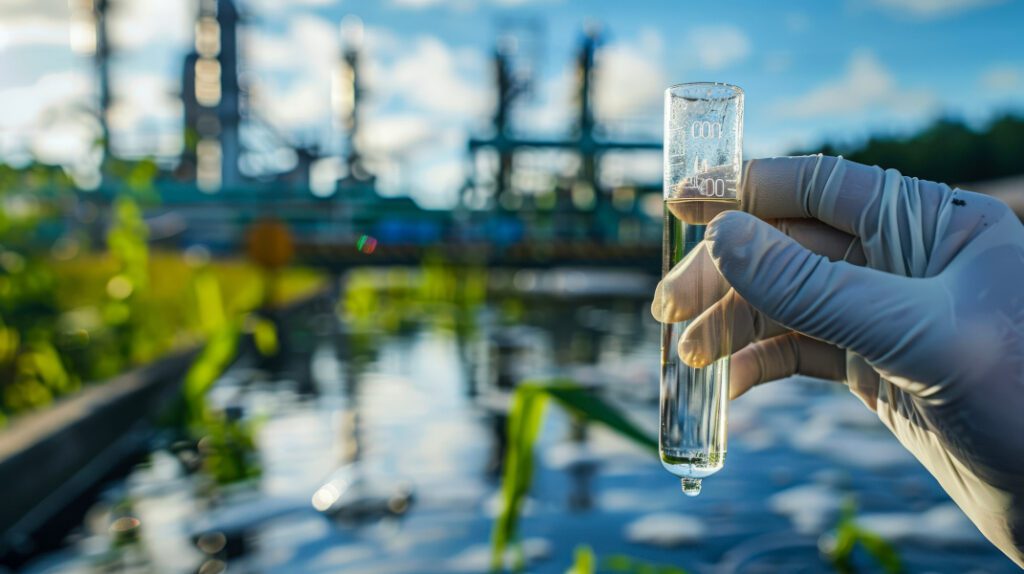
Cleanup and remediation coverage typically starts after a covered trigger—such as confirmed contamination or a regulator’s order—and pays for necessary investigation, removal, disposal, and monitoring expenses required to restore the environment to acceptable conditions. Insurers usually approve remediation plans and work with licensed contractors and laboratories to implement corrective measures, and payment follows documented invoices and compliance with approved scopes. For example, when an underground tank leak contaminates soil and groundwater, the policy may fund soil excavation, groundwater treatment, and long-term monitoring until cleanup standards are met. Insureds should understand policy conditions on contractor selection, oversight, and cost control to speed response and limit dispute.
According to the Centers for Medicare & Medicaid Services, environmental health risks and exposure-related conditions can lead to significant healthcare costs, reinforcing the importance of proactive risk management and liability protection for businesses dealing with hazardous materials.
Centers for Medicare & Medicaid Services — Centers for Medicare & Medicaid Services; Environmental health and cost impact overview.
What Bodily Injury and Property Damage Claims Are Included?
Pollution policies commonly cover third-party bodily injury and property damage claims that arise from contamination, including illnesses linked to exposure and damage to neighboring property values or usability. Claims might allege medical costs for affected individuals, lost business revenue for impacted neighbors, or property devaluation tied to contamination. Policies address defense costs and settlements subject to limits and may require proof linking the release to the claimed harm. Insureds should document exposure pathways and medical or property evidence promptly to support claim validity and preserve claim payment timelines.
What Common Exclusions Should Businesses Know About?
Common exclusions in pollution policies include intentional acts, known pre-existing contamination unless specifically endorsed, contractual liabilities beyond policy language, and certain fines or punitive damages in some jurisdictions. Gradual or expected pollution can also be treated differently depending on wording, and insureds often need endorsements to add coverage for sudden versus gradual releases. To manage these exclusions, businesses should negotiate known-condition buybacks, pollution cleanup cost caps, and clarifying endorsements that align coverages with actual operational risks. Careful review of policy definitions for “pollutant,” “discovery,” and “insured” reduces surprise denials and improves coverage certainty.
How Does Amerus Insurance Group Provide Expert Guidance on Pollution Liability Insurance?
Amerus Insurance Group operates as a lead generation and information hub offering local, responsive guidance that helps businesses navigate pollution liability options and coordinate coverage across a full commercial insurance portfolio. As a Lakeland, FL–based advisor, Amerus emphasizes personalized recommendations from licensed advisors who assess environmental risk in context of a client’s broader insurance needs and financial objectives. Their approach centers on simplifying the purchase process—helping clients identify whether CPL, SPL, EIL, or PLL is appropriate, advising on limits and endorsements, and coordinating with carriers capable of handling complex remediation and third-party claim scenarios. This service model supports small and mid-sized firms seeking clear next steps and faster quote turnarounds while maintaining alignment with existing commercial lines.
What Personalized Solutions Does Amerus Offer for Environmental Risk Management?

Amerus focuses on tailored placement and portfolio coordination rather than one-size-fits-all policies, using licensed advisors to recommend pollution products that align with each business’s operational exposures and transaction needs. Services include targeted risk assessments that identify likely triggers (tanks, excavation, transport), recommendations for limit sizing and retention strategies, and guidance on endorsements that mitigate common exclusions. By coordinating environmental coverage with general liability, commercial property, and other lines, Amerus helps reduce gaps and overlap so clients receive a coherent protection plan. This collaborative placement supports smoother claims handling and a clearer remediation approval pathway should a pollution event occur.
How Can Businesses Get Fast Quotes and Proactive Reviews from Amerus?
To obtain quotes and proactive policy reviews through Amerus, businesses should prepare operational details—site history, storage and transport practices, recent environmental assessments, and loss history—to accelerate underwriting and enable tailored proposals. Amerus’ advisors use these inputs to request competitive market quotes and compare forms, limits, and endorsements that matter for remediation and third-party exposure. Regular proactive reviews—scheduled annually or after major operational changes—allow clients to update coverages, adjust limits, and address newly discovered conditions before they become claims. Firms interested in a personalized review can contact Amerus via the company’s online contact options or by phone to begin a confidential risk assessment and quote process.
What Are the Most Frequently Asked Questions About Pollution Liability Insurance?
This FAQ section provides concise answers to common queries about pollution liability coverage, costs, and policy selection to help businesses determine when to seek additional environmental protection and how to proceed with underwriting and claims. Short, actionable responses below aim to serve as ready references for owners and risk managers evaluating their environmental exposure and next steps. The final item includes a practical next step to obtain personalized quotes from a local advisor when a customized assessment is required.
What Does Pollution Liability Insurance Typically Cover?
Pollution liability insurance typically covers investigation and testing required to identify contamination, cleanup and remediation to restore affected media, third-party bodily injury and property damage claims arising from pollution, and legal defense and settlement costs associated with covered claims. Some forms also include regulatory response costs and coverage for emergency response actions when specified in the policy. Coverage scope varies by CPL, SPL, EIL, or PLL, so insureds should confirm which cost buckets are included and whether endorsements are needed to address known conditions or specific regulatory exposures.
Is Pollution Covered Under General Liability Insurance?
No—pollution is generally excluded from standard commercial general liability policies through pollution exclusion language, which removes coverage for losses arising from pollutant releases; businesses with environmental exposure should obtain pollution-specific coverage. If you rely solely on GL, a pollution claim could be denied, leaving your company responsible for cleanup and third-party suits. The recommended next step is to assess operations for fuel, solvent, waste, or excavation risks and pursue CPL, SPL, EIL, or PLL as appropriate to fill the coverage gap.
How Much Does Pollution Liability Insurance Cost?
The cost of pollution liability insurance depends on multiple factors including industry type, operations profile, policy limits and retentions, past contamination or claims history, and geographic/regulatory environment; premiums are therefore highly individualized. Underwriters evaluate the likelihood and potential magnitude of remediation and third-party claims to price coverage, and clients can often manage costs through retention levels, targeted endorsements, and staged limits. For an accurate premium estimate, obtain tailored market quotes from experienced advisors who can match coverage forms to your specific exposures rather than relying on generic price ranges.
What Is the Difference Between CPL and SPL Insurance?
Contractors Pollution Liability (CPL) is operations-based and designed to cover pollution arising from contract work, spills during construction, or disturbance of contaminated materials, while Site Pollution Liability (SPL) is site-based and protects owners/operators of fixed properties against on-site legacy contamination and storage tank leaks. CPL typically follows the contractor’s project timeline and operations, whereas SPL attaches to the property and remains relevant across ownership changes; selection depends on whether the risk arises from project activity or from the property itself.
- Key differences: CPL covers operations; SPL covers property.
- Typical uses: CPL for contractors; SPL for owners/operators and redevelopments.
- Selection tip: Match the policy trigger to who controls the activity creating the risk.
For a customized placement or to discuss how these policy forms should fit with your commercial portfolio, consider a local assessment from an insurance broker to simplify the procurement and secure coverage that aligns with your business objectives.
Frequently Asked Questions – Pollution Liability Insurance
Pollution liability insurance is coverage that protects businesses from costs related to pollution events such as spills, contamination, or hazardous material releases.
It is important because cleanup costs, legal claims, and regulatory penalties can be financially devastating even from a single incident.
Businesses that handle chemicals, fuel, waste, construction materials, or industrial operations are most at risk and typically need this coverage.
However, even contractors, real estate developers, manufacturers, and transportation companies often purchase it to protect against accidental environmental damage.
Coverage usually includes cleanup costs, third-party bodily injury, property damage, legal defense fees, and environmental remediation expenses.
Some policies also include coverage for gradual pollution events, mold, asbestos, and transportation-related spills depending on the policy.
The cost depends on your industry, risk exposure, business size, and coverage limits.
Small low-risk businesses may pay a few hundred dollars per year, while high-risk industrial operations can pay several thousand or more annually.
It is not always legally required, but many contracts, landlords, lenders, and government projects require proof of coverage.
Even when not mandatory, it is often considered essential for businesses with environmental exposure risks.
General liability insurance typically excludes pollution-related incidents or only provides very limited coverage.
Pollution liability insurance is specifically designed to cover environmental risks such as contamination, cleanup costs, and regulatory penalties.
You can request a quote through a licensed insurance broker or carrier by providing details about your industry, operations, and environmental risks.
Many providers offer fast online quote forms that compare multiple coverage options to find the right policy for your business.
Once you select a policy, you can purchase coverage directly through an insurer or insurance broker.
After approval and payment, your coverage typically begins immediately or on a scheduled effective date, giving your business financial protection against environmental risks.