
Understanding Individual Dental Insurance Policies Benefits: A Guide to Affordable Coverage Options
Navigating the world of individual dental insurance can be daunting, yet understanding its benefits is crucial for making informed decisions. This guide will delve into the various advantages of individual dental insurance policies, highlighting how they can provide affordable coverage options for individuals and families. Many people face challenges in accessing quality dental care due to high costs, but dental insurance for individual can alleviate these financial burdens. By exploring the key benefits, coverage options, and strategies for selecting the best plan, readers will gain valuable insights into maximizing their dental health while managing costs effectively.
Research consistently shows that dental insurance plans for individuals is a key factor in making dental care more accessible and affordable for many.
Dental Insurance: Enabling Affordable Dental Care Access
With dental insurance using a large, nationally representative pediatric data set. Because the goal of dental insurance is to allow more affordable dental care, dental insurance coverage
Dental insurance and its impact on preventive dental care visits for US children, 2007
What Are the Key Benefits of Individual Dental Insurance Plans?
Individual dental insurance plans offer several key benefits that can significantly enhance access to dental care. These benefits include:
- Comprehensive Coverage: Individual dental insurance typically covers a range of services, including preventive care, basic procedures, and major treatments. This ensures that policyholders can receive necessary care without incurring exorbitant out-of-pocket expenses.
- Cost Savings: By having dental insurance, individuals can save on routine check-ups, cleanings, and necessary procedures, which can otherwise add up quickly. Insurance plans often negotiate lower rates with dental providers, further reducing costs.
- Encouragement of Preventive Care: Many plans emphasize preventive care, covering services like cleanings and exams at little to no cost. This proactive approach helps maintain oral health and can prevent more serious issues down the line.
These benefits make individual dental insurance a valuable investment for maintaining overall health and well-being.
Indeed, dental insurance offers significant advantages by mitigating financial risks and broadening access to essential healthcare services.
Benefits of Dental Insurance: Financial Risk and Access
Health insurance has two important advantages for the consumer. On the one hand, health insurance reduces the financial risk for the insured and provides access to health care that would otherwise be unaffordable. On the other hand, insurance increases costs due to loading costs—the administrative and other expenses of the insurer—and moral hazard.
How can dental insurance be optimized?, WPMM van de Ven, 2018
How Do Dental Insurance Benefits Support Preventive and Major Care?
Dental insurance benefits play a crucial role in supporting both preventive and major dental care. Preventive care is essential for maintaining oral health, as it helps identify potential issues before they escalate. Insurance plans often cover routine check-ups, cleanings, and X-rays, which are vital for early detection of dental problems.
In addition to preventive care, dental insurance also provides coverage for major procedures, such as root canals, crowns, and extractions. This coverage ensures that individuals can access necessary treatments without facing overwhelming financial burdens. By facilitating both preventive and major care, dental insurance contributes to better overall dental health and reduces the risk of severe complications.
Furthermore, studies indicate that dental insurance plays a crucial role in improving oral health outcomes and reducing health disparities across different populations.
Dental Insurance Improves Oral Health and Reduces Disparities
Having dental insurance increased the proportion of participants who visited the dentist in the past year and who reported very good or excellent oral health. Findings suggest that dental insurance is associated with improved dental visiting behaviours and oral health status outcomes. Policymakers could consider universal dental coverage as a means to support financially vulnerable populations and to reduce oral health disparities between the rich and the poor.
Providing dental insurance can positively impact oral health outcomes in Ontario, N Gomaa, 2020
What Coverage Options Are Included in Typical Dental Policies?
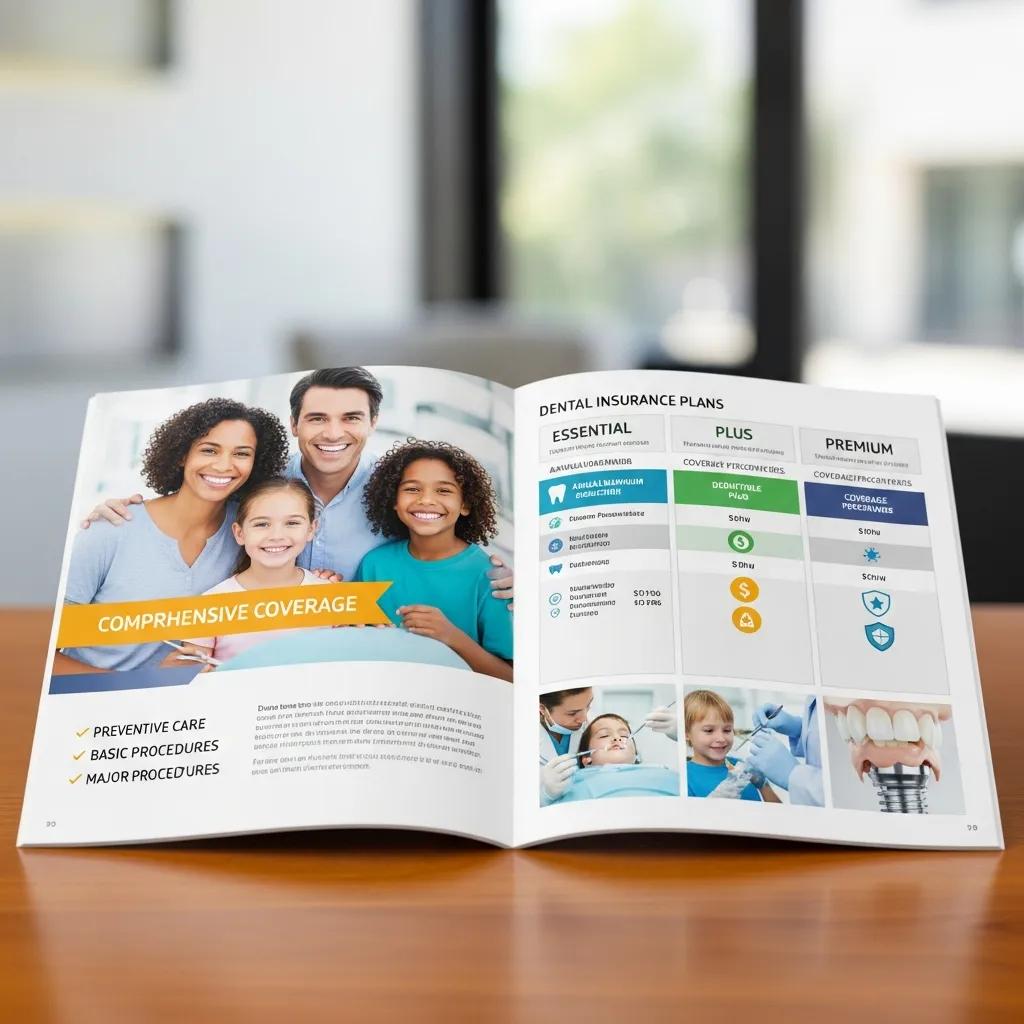
Typical dental insurance policies offer a variety of coverage options designed to meet the diverse needs of individuals and families. These options generally include:
- Preventive Care Coverage: This includes routine check-ups, cleanings, and X-rays, often covered at 100% to encourage regular dental visits.
- Basic Procedure Coverage: Services such as fillings, extractions, and periodontal treatments are usually covered at a percentage, helping to manage costs for necessary care.
- Major Procedure Coverage: More extensive treatments, like crowns, bridges, and root canals, are typically covered but may require a waiting period or higher out-of-pocket costs.
Understanding these coverage options is essential for selecting a dental insurance plan that aligns with individual needs and financial situations.
How Can You Choose the Best Dental Insurance Plan for Your Needs?
Choosing the best dental insurance plan involves evaluating several key factors to ensure it meets your specific needs. Here are some important considerations:
- Evaluating Coverage Options: Review the types of services covered under each plan, including preventive, basic, and major care. Ensure that the plan aligns with your anticipated dental needs.
- Considering Network Providers: Check if your preferred dental providers are in-network, as this can significantly affect your out-of-pocket costs. In-network providers typically offer lower rates.
- Understanding Costs and Waiting Periods: Analyze the premium costs, deductibles, and any waiting periods for major procedures. This information will help you assess the plan’s overall value.
For those seeking assistance in navigating these choices, independent insurance brokers can provide valuable guidance in selecting the most suitable dental insurance plan.
Why Should Individuals Consider Independent Insurance Brokers for Dental Plans?

Independent insurance brokers can be instrumental in helping individuals find the right dental insurance plan. Their expertise offers several advantages:
- Unbiased Comparisons: Brokers provide impartial comparisons of various insurance plans, ensuring that clients can make informed decisions based on their unique needs.
- Expert Guidance: With extensive knowledge of the insurance market, brokers can help clients understand complex policy details and identify the best options available.
- Cost Savings: By leveraging their industry connections, brokers can often secure better rates and terms for their clients, leading to potential savings on premiums. Cost savings can be significant when choosing the right plan.
Utilizing the services of an independent broker can simplify the process of selecting dental insurance and enhance the overall experience.
How Do Brokers Assist in Selecting Suitable Dental Insurance?
Brokers play a vital role in assisting clients with selecting suitable dental insurance by offering personalized services tailored to individual needs. They begin by assessing the client’s specific dental care requirements and financial situation. This allows brokers to recommend plans that provide the best coverage at the most affordable rates.
Additionally, brokers can facilitate communication between clients and insurance providers, ensuring that all questions are answered and concerns addressed. Their ongoing support throughout the enrollment process and beyond can significantly enhance the client experience.
What Role Do Brokers Play in Financial Planning Integration?
Brokers also play a crucial role in integrating dental insurance into broader financial planning. They help clients understand how dental insurance fits into their overall financial strategy, considering factors such as budget, health needs, and long-term goals. By tailoring insurance solutions to meet individual circumstances, brokers can assist clients in achieving a balanced approach to their financial and health planning.
What Are Affordable Dental Insurance Options for Individuals and Families?
Finding affordable dental insurance options is essential for individuals and families looking to maintain their oral health without breaking the bank. Several strategies can help in this pursuit:
- Comparing Coverage Types and Costs: Research various plans to find those that offer the best balance of coverage and affordability. Look for plans that provide comprehensive preventive care at low or no cost.
- Eligibility Criteria: Understand the eligibility requirements for different plans, as some may offer discounts for families or self-employed individuals.
- Discounts for Bundling: Some insurance providers offer discounts for bundling dental insurance with other types of coverage, such as health or vision insurance. This can lead to significant savings.
By exploring these options, individuals and families can find dental insurance that meets their needs while remaining budget-friendly.
How Do Coverage Types Vary for Families and Self-Employed Individuals?
Coverage types can vary significantly between family plans and those designed for self-employed individuals. Family plans typically offer comprehensive coverage for multiple members, often including preventive care and basic procedures at reduced rates. These plans are structured to accommodate the diverse dental needs of all family members.
In contrast, self-employed individuals may find plans tailored to their unique circumstances, often with flexible coverage options that can be adjusted based on their specific needs. Understanding these differences is crucial for selecting the right plan that provides adequate coverage while considering individual financial situations.
What Strategies Help Manage Dental Insurance Costs Effectively?
Managing dental insurance costs effectively requires a proactive approach. Here are some strategies to consider:
- Comparing Multiple Quotes: Always obtain quotes from several insurance providers to ensure you are getting the best deal. This can help identify plans that offer the best value for your needs.
- Understanding Benefits: Familiarize yourself with the benefits included in your plan to maximize your coverage. Knowing what services are covered can help you avoid unexpected costs.
- Annual Reviews: Regularly review your dental insurance plan to ensure it continues to meet your needs. Changes in your dental health or financial situation may warrant adjustments to your coverage.
By implementing these strategies, individuals can effectively manage their dental insurance costs while ensuring they receive the necessary care.
This table illustrates the typical coverage percentages associated with different types of dental care, highlighting the importance of understanding your plan’s specifics.
This comparison of plan types provides insight into the various coverage options and their associated costs, helping individuals make informed decisions.
By understanding the benefits and options available through individual dental insurance policies, individuals can take proactive steps toward maintaining their dental health while managing costs effectively. Whether through independent brokers or direct research, finding the right plan is essential for ensuring access to quality dental care. For more information on managing healthcare costs, resources like Medicare cost guides can be invaluable.