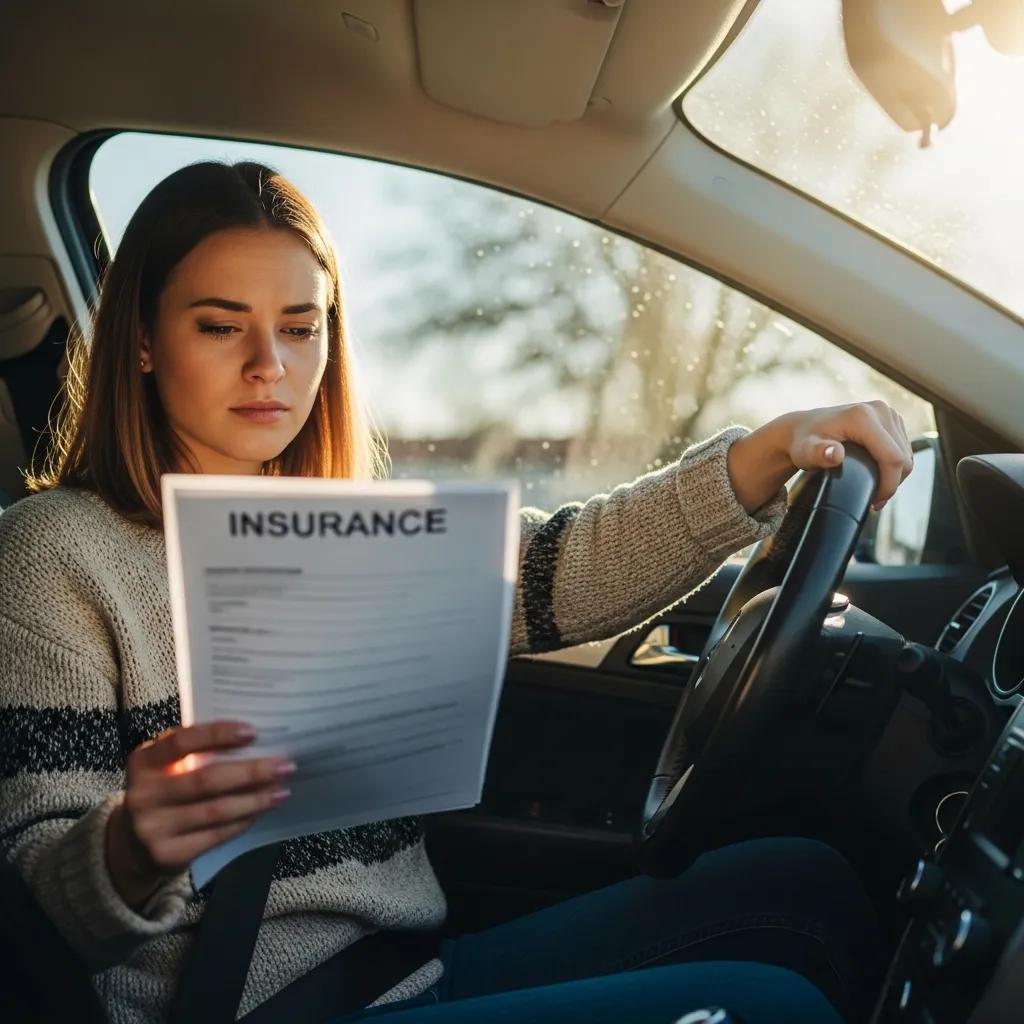
Understanding Car Insurance Basics for New Drivers: A Clear Guide to Coverage and Savings
Navigating the world of car insurance can be daunting for new drivers, especially with the myriad of options and terms that can be overwhelming. This guide aims to demystify car insurance by explaining essential coverage types, potential savings strategies, and key considerations for selecting a policy. New drivers often face unique challenges, such as higher premiums and limited experience, making it crucial to understand how to secure the best coverage at an affordable price. By the end of this article, you will have a clear understanding of the various types of car insurance, how to save on premiums, and what factors to consider when choosing a policy. We will also explore how liability insurance protects new drivers and the importance of understanding state requirements.
Essential Coverage Types
Understanding the different types of car insurance coverage is vital for new drivers. Each type serves a specific purpose and can significantly impact your financial protection on the road. The primary coverage types include:
- Liability Coverage: This is the most basic form of car insurance, covering damages to other people and their property if you are at fault in an accident. It typically includes bodily injury liability and property damage liability.
- Collision Coverage: This type covers damages to your vehicle resulting from a collision with another vehicle or object, regardless of fault. It helps pay for repairs or replacement of your car.
- Comprehensive Coverage: This coverage protects against non-collision-related incidents, such as theft, vandalism, or natural disasters. It ensures that you are financially protected from a wide range of potential damages.
These coverage types form the foundation of a solid car insurance policy, ensuring that new drivers are adequately protected on the road.
Potential Savings Strategies

New drivers can take advantage of several strategies to save on car insurance premiums. Implementing these strategies can lead to significant savings over time:
- Compare Quotes: Always shop around and compare quotes from multiple insurance providers. Rates can vary significantly, and finding the best deal can save you money.
- Look for Discounts: Many insurers offer discounts for various reasons, such as good student discounts, safe driving records, or bundling policies. Be sure to ask about available discounts when obtaining quotes.
- Consider Higher Deductibles: Opting for a higher deductible can lower your premium. However, ensure that you can afford the deductible amount in case of an accident.
By employing these strategies, new drivers can effectively reduce their insurance costs while maintaining necessary coverage.
How Can Bundling Insurance and Financial Planning Reduce Costs?
Bundling your car insurance with other types of insurance, such as home or renters insurance, can lead to additional savings. Many insurance companies, including Amerus Insurance Group, offer discounts for bundling policies, which can simplify your financial planning and reduce overall costs. This approach not only saves money but also streamlines the management of your insurance needs.
Key Considerations for Selecting a Policy
When choosing a car insurance policy, new drivers should consider several key factors to ensure they select the best coverage for their needs:
- State Requirements: Each state has different minimum insurance requirements. Familiarize yourself with your state’s laws to ensure compliance and avoid penalties.
- Coverage Needs: Assess your personal needs based on your driving habits, the value of your vehicle, and your financial situation. This assessment will help you determine the appropriate level of coverage.
- Claims Process: Research the claims process of potential insurers. A straightforward and efficient claims process can save you time and stress in the event of an accident.
Understanding these considerations will help new drivers make informed decisions when selecting their car insurance policy.
How Does Liability Insurance Protect New Drivers?

Liability insurance is crucial for new drivers as it provides financial protection in the event of an accident where you are at fault. It covers two main components:
- Bodily Injury Liability: This covers medical expenses for injuries sustained by others in an accident you caused. It can also cover legal fees if you are sued.
- Property Damage Liability: This covers damages to another person’s property, such as their vehicle or a fence, resulting from an accident you caused.
Having adequate liability insurance is essential for new drivers to protect themselves from potentially devastating financial consequences.
What Is Full Coverage and When Is It Recommended?
Full coverage typically refers to a combination of liability, collision, and comprehensive coverage. It is recommended for new drivers who want maximum protection for their vehicle and themselves. Full coverage is particularly advisable if:
- You have a new or high-value vehicle that would be costly to repair or replace.
- You are financing or leasing your vehicle, as lenders often require full coverage.
- You want peace of mind knowing that you are protected against a wide range of risks.
Understanding when to opt for full coverage can help new drivers make informed decisions about their insurance needs.
How Can New Drivers Obtain Car Insurance Efficiently?
Securing car insurance as a new driver can be streamlined by following these steps:
- Research Options: Start by researching different insurance providers and their offerings. Look for companies that cater specifically to new drivers.
- Gather Necessary Documents: Prepare essential documents, such as your driver’s license, vehicle registration, and any previous insurance information, to expedite the application process.
- Compare Quotes: Once you have gathered your information, request quotes from multiple insurers to find the best rates and coverage options.
By following these steps, new drivers can efficiently obtain the car insurance they need.
What Factors Influence Car Insurance Premiums for Beginners?
Several factors can influence car insurance premiums for new drivers, including:
- Age: Younger drivers typically face higher premiums due to their lack of driving experience.
- Driving History: A clean driving record can lead to lower rates, while accidents or traffic violations can increase premiums.
- Type of Vehicle: The make and model of your vehicle can impact your insurance costs. High-performance or luxury vehicles often come with higher premiums.
Understanding these factors can help new drivers anticipate their insurance costs and make informed choices.
How Do Driving Experience and Vehicle Type Affect Rates?
Driving experience and the type of vehicle you drive play significant roles in determining your insurance rates. Inexperienced drivers are often seen as higher risk, leading to increased premiums. Additionally, the vehicle’s safety rating, repair costs, and likelihood of theft can all influence insurance rates. New drivers should consider these factors when selecting a vehicle to help manage their insurance costs effectively.
What Role Do State Insurance Requirements Play in Premium Costs?
State insurance requirements can significantly impact premium costs. Each state mandates minimum coverage levels, which can vary widely. States with higher minimum requirements may lead to higher premiums. Additionally, some states have no-fault insurance laws, which can also affect how much drivers pay for coverage. New drivers should familiarize themselves with their state’s requirements to ensure they are adequately covered while managing costs.
Which Discounts and Savings Are Available for New Drivers?
New drivers can take advantage of various discounts and savings opportunities to lower their insurance premiums. Some common discounts include:
- Good Driver Discounts: Many insurers offer discounts for drivers with clean records and no accidents.
- Bundling Discounts: Combining multiple insurance policies with the same provider can lead to significant savings.
- Defensive Driving Course Discounts: Completing a defensive driving course can qualify new drivers for additional discounts.
By exploring these options, new drivers can find ways to reduce their insurance costs.
Are There Specific Discounts Tailored for Young or New Drivers?
Yes, many insurance companies offer specific discounts tailored for young or new drivers. These may include:
- Good Student Discounts: Students who maintain a certain GPA may qualify for lower rates.
- Defensive Driving Course Discounts: Completing an approved defensive driving course can lead to premium reductions.
These discounts are designed to encourage safe driving habits among new drivers while making insurance more affordable.
How Can Bundling Insurance and Financial Planning Reduce Costs?
Bundling insurance policies, such as car and home insurance, can lead to significant savings. Many insurance brokers, including Amerus Insurance Group, offer discounts for bundling, which can simplify your financial planning. This approach not only reduces costs but also streamlines the management of your insurance needs, making it easier to keep track of your coverage and payments.
Bundling these policies can lead to additional savings, making it a smart choice for new drivers looking to manage their insurance costs effectively.
By understanding the benefits of bundling and the various coverage types available, new drivers can make informed decisions that align with their financial goals and insurance needs.
Frequently Asked Questions About Car Insurance for New Drivers
Every new driver should carry at least the minimum liability insurance required by their state. Depending on your vehicle and financial situation, collision and comprehensive coverage may also be recommended.
Choosing the right combination of coverage helps protect you financially after accidents, theft, vandalism, or weather-related damage.
Premiums vary based on your age, driving history, location, vehicle, and coverage limits. Because new drivers have less experience, they often pay higher premiums.
Comparing quotes from multiple insurance companies is one of the best ways to find affordable coverage.
Full coverage generally includes liability, collision, and comprehensive insurance. It provides broader protection than liability-only policies.
Full coverage is often recommended for financed vehicles, leased cars, and newer vehicles with higher replacement values.
New drivers can often reduce premiums by maintaining a clean driving record, completing a defensive driving course, qualifying for good student discounts, and increasing deductibles.
Comparing insurance providers annually can also uncover additional savings.
Yes. Most insurance agencies provide free, no-obligation car insurance quotes.
Comparing multiple quotes allows you to evaluate premiums, deductibles, discounts, and coverage options before choosing a policy.
Absolutely. Insurance rates vary widely between companies, even for identical coverage.
Comparing quotes helps you find competitive pricing while ensuring you receive the protection you need.
Many insurance companies offer good student discounts, defensive driving discounts, multi-vehicle discounts, and bundling discounts.
Asking about available discounts during the quoting process can significantly reduce your monthly premium.
Yes. Bundling multiple insurance policies with the same provider often results in lower premiums and simplified policy management.
Many insurance companies offer substantial discounts when auto and home or renters insurance are combined.
Yes. Most insurance carriers allow you to compare quotes, customize coverage, and purchase a policy online.
Working with a licensed insurance advisor can also help ensure you choose the right coverage for your needs.
You should purchase car insurance before driving your vehicle. Nearly every state requires drivers to carry minimum liability coverage before operating a vehicle legally.
Having coverage in place before taking ownership helps avoid fines, license suspensions, and financial liability.
Look beyond price by comparing customer service, financial strength, claims satisfaction, available discounts, and coverage options.
A licensed insurance professional can help you evaluate multiple carriers and find the best value for your budget.
Yes. You can usually adjust coverage limits, add drivers, change deductibles, or switch insurance companies at any time.
Reviewing your policy annually helps ensure your coverage continues to meet your needs while taking advantage of new discounts or lower rates.