
Understanding Health Insurance Costs: How to Compare, Save, and Choose Affordable Health Insurance Plans
Health insurance costs represent the total amount you pay for medical coverage, combining monthly premiums with expected out-of-pocket spending, and understanding this total is essential to choosing truly affordable health insurance plans. This guide explains how premiums, deductibles, copayments, coinsurance, and out-of-pocket maximums interact across a plan year so you can compare real costs instead of sticker prices. Readers will learn how different plan architectures (HMO, PPO, EPO, HDHP, catastrophic) change cost trade-offs, when employer-sponsored coverage beats individual marketplace options, and which strategies lower both premiums and annual medical spending. Practical sections include EAV-style comparison tables, persona-driven total-cost examples for singles, families, and self-employed workers, and a step-by-step checklist to get an accurate health insurance quote. The article also translates 2024–2025 market trends—rising prescription costs and consolidation—into concrete consumer actions like reviewing formularies and optimizing HSA use. Our insurance brokerage has placed throughout, target terms such as health insurance quote, health insurance cost calculator, and cost of health insurance for self-employed are integrated to help you find, compare, and secure plans that fit your budget and care needs.

What Are the Core Components of Health Insurance Costs?
Core cost components define how much coverage will actually cost you over a year: the monthly premium buys coverage access, the deductible sets how much you pay before major coverage kicks in, copayments and coinsurance determine cost-sharing for visits and services, and the out-of-pocket maximum caps annual spending risk. Understanding these parts clarifies why a lower monthly premium can still lead to higher total annual cost when deductibles and coinsurance are large. The following table defines each component and provides typical example values so you can translate plan features into expected annual spending. Grasping these definitions leads directly to the practical math of turning plan features into a projected annual cost scenario.
This table summarizes the primary cost components and example values readers can use to estimate total annual expenses.
This breakdown shows that a plan’s sticker premium is only one piece of the cost puzzle; the mix of deductible, copays, and coinsurance often determines yearly financial exposure and should guide plan selection.
What Is a Health Insurance Premium and How Is It Calculated?
A premium is the recurring monthly payment you make to maintain coverage and is calculated by insurers using risk factors such as age, location, tobacco use, plan metal level, and the actuarial value of benefits. Insurers pool these risk factors into pricing models that adjust premiums across geographic rating areas and metal tiers, so two people in the same town can see different premium offers based on age and household composition. Example calculation: a $350 monthly premium equals $4,200 annually, and if an employer covers 70% of that premium, the employee’s share is $1,260 per year; that employer contribution materially changes the individual calculus. Understanding premium drivers helps when shopping for an affordable health insurance plan because it points to places where subsidies, household composition, or tobacco cessation can lower sticker price and ultimately the total cost.

Premium mechanics naturally lead to questions about cost-sharing after the premium is paid, so the next section explains how deductibles, copays, and coinsurance change actual out-of-pocket expenses.
How Do Deductibles, Copayments, and Coinsurance Affect Your Out-of-Pocket Expenses?
Deductibles require you to pay a specified amount before most coverage applies, while copayments are fixed fees for services and coinsurance is a percentage share of allowed charges after the deductible, all of which combine to determine your out-of-pocket spending for routine care and major episodes. For example, a plan with a $3,000 deductible, $30 copays, and 20% coinsurance means you shoulder the first $3,000 of covered costs, pay $30 per primary care visit, and then 20% of large claims until you hit the out-of-pocket maximum. A sample scenario: routine visits ($300), one imaging event ($1,200), and an ER visit ($3,500) could push costs above the deductible and into coinsurance — resulting in several thousand dollars in out-of-pocket payments unless the plan’s out-of-pocket maximum is reached. Comparing plans requires projecting likely utilization and applying these rules to estimate total annual spending, not just comparing monthly premiums.
These cost-sharing rules bring up an important comparison: how different plan structures change both premiums and out-of-pocket exposure, which is explored in the next major section.
Which Types of Health Insurance Plans Affect Costs Differently?
Different plan architectures—such as HMO, PPO, EPO, HDHP, and catastrophic plans—balance premium levels, deductible size, and network flexibility in distinct ways, creating predictable cost trade-offs for consumers. Typically, HMOs and EPOs offer lower premiums with narrower networks and referral rules, while PPOs provide broader provider choice at higher premiums, and HDHPs pair low premiums with high deductibles suitable for HSA pairing. Catastrophic plans prioritize very low premiums but carry high deductibles and are intended for young or low-utilization enrollees.

This comparison highlights typical trade-offs among plan types and suggests which consumer profiles often benefit from each approach.
After understanding plan architectures, readers often ask how to match a persona—young single, family, or self-employed—to the right plan type, which the next subsections address with concrete examples and eligibility guidance.
How Do HMO, PPO, EPO, and HDHP Plans Compare in Terms of Costs and Benefits?
HMOs typically offer the lowest premiums and require coordination through a primary care provider, which reduces costs through managed care but limits specialist access without referrals. PPOs allow direct specialist access and out-of-network care at higher premiums, making them suitable for those who value provider choice or have ongoing specialist needs. EPOs are a middle ground with in-network-only coverage but fewer administrative barriers than HMOs, while HDHPs pair lower premiums with higher deductibles and eligibility for Health Savings Accounts, which provide tax-advantaged savings for medical expenses. Persona examples clarify trade-offs: a young healthy single may favor an HDHP to minimize premium cost and accrue HSA savings, whereas a family with children and regular specialist visits might prioritize a PPO or HMO depending on provider network needs.
These plan comparisons naturally lead into the role of catastrophic plans and when they are a cost-efficient option for certain groups.
What Are Catastrophic Plans and Who Should Consider Them?

Catastrophic plans are designed for emergency protection with very low premiums and very high deductibles, and they are typically available to people under specified age thresholds or those with qualifying exemptions; they cover essential services after the deductible and often include preventive care without cost-sharing. Because the deductible is very high, catastrophic plans are best for young, healthy individuals who rarely seek care and prefer to minimize monthly spend while retaining financial protection against major events. The trade-off is significant out-of-pocket risk for any non-routine care, so they are rarely cost-effective for families, people with chronic conditions, or those expecting significant medical utilization. If your primary goal is the lowest premium and you can self-insure minor care, a catastrophic plan merits consideration as a temporary or stopgap coverage option.
Understanding plan types sets the stage for comparing employer-sponsored group plans to marketplace or individual plans, which can shift the affordability equation considerably.
How Do Employer-Sponsored and Individual Health Insurance Plans Differ in Cost?
Employer-sponsored plans commonly lower employee premium burden through employer contributions and group-negotiated rates, which often produces lower per-person premiums than comparable individual plans, though employer options may limit plan choice and portability. Marketplace or individual plans vary more widely in premiums and are eligible for premium tax credits and cost-sharing reductions based on household income, which can make individual coverage cheaper for subsidy-eligible people, especially those without affordable employer offers.
To see these differences, the table below summarizes how employer-sponsored and individual routes affect premium share, subsidy eligibility, and typical out-of-pocket expectations. Evaluating employer offers against marketplace options requires comparing the employee’s share of premium plus projected annual out-of-pocket costs to the net cost of an individual plan after subsidies.
This comparison shows why an employee offered a low-cost employer plan might still benefit from shopping the marketplace when subsidies or family composition change the total cost dynamic.
What Are the Cost Advantages and Disadvantages of Employer-Sponsored Plans?
Employer plans usually benefit from employer premium contributions and group purchasing power, which lower per-person premiums and sometimes offer richer networks or extras like wellness incentives, yet they can restrict choice and may require higher employee contributions for dependent coverage. An example calculation: an employer covering 70% of a $600 monthly premium reduces the employee’s monthly payment to $180, markedly improving affordability compared to buying the same plan individually without subsidies. Drawbacks include potential limited networks, varying prescription formularies, and the risk of losing coverage when employment ends, which affects portability and continuity of care. Employees should weigh employer contributions and overall benefits against the flexibility and potential subsidies available through the individual marketplace when making enrollment decisions.

These employer trade-offs lead to a closer look at how marketplace subsidies function and how income determines eligibility and subsidy size.
How Do Marketplace Plans and Subsidies Impact Individual Health Insurance Costs?
Marketplace premium tax credits reduce the effective premium for eligible households by capping the share of household income spent on benchmark plans, and additional cost-sharing reductions can lower out-of-pocket expenses for those at lower income levels when they select certain plan tiers. Subsidy size depends on household income relative to the federal poverty level and family size; for many consumers, premium tax credits turn an unaffordable sticker price into a manageable monthly cost. A simple example: a household that qualifies for a $300 monthly tax credit will see a $300 reduction in the plan’s premium before determining the enrollee’s monthly outlay. Comparing marketplace offers requires entering accurate household income and family size into the marketplace calculator to estimate both premium tax credits and any cost-sharing reductions that affect expected annual spending.
Understanding these subsidy mechanics naturally leads to examining the demographic and market factors that influence premiums and pricing variability across regions and individuals.
What Factors Influence Health Insurance Costs and Premium Variations?
- Personal demographics and behavior directly adjust rating factors and premium levels.
- Geographic market conditions and provider networks determine negotiated service prices.
- Plan design choices like metal tier and prescription formulary control cost-sharing.
- Macro trends such as specialty drug pricing and insurer consolidation influence future premiums.
These factor categories frame the practical mitigation strategies discussed next, including HSA optimization and drug-cost management.
How Do Age, Location, and Tobacco Use Affect Your Health Insurance Costs?
Age is a common rating variable that increases premiums progressively with older age brackets, often making individual coverage more expensive for older adults even before considering utilization differences. Location matters because insurers negotiate different rates with local hospitals and provider systems; high-cost regions translate to higher premiums due to underlying service prices in those geographies. Tobacco use typically triggers surcharges that increase premiums by a noticeable percentage, though many plans and employers offer cessation programs that can reduce long-term premiums and health risk. Mitigation tactics include comparing plans in neighboring rating areas where allowed, enrolling in cessation programs to avoid surcharges, and factoring age-related premium gradients into long-term budgeting for coverage.

These demographic and geographic impacts connect to plan-level choices, which in turn shape total spending for specific health needs.
How Do Coverage Levels and Plan Choices Impact Your Total Health Insurance Expenses?
Metal levels — Bronze, Silver, Gold, Platinum — signal a balance between premium and cost-sharing: Bronze plans have low premiums and high cost-sharing, while Platinum plans reverse that pattern with high premiums and minimal cost-sharing. Choosing a higher metal level makes sense when expected annual spending is high, such as with chronic conditions or frequent specialist care, because the higher premium can be offset by lower deductibles and coinsurance. For families, balancing premium and expected utilization often favors Silver or Gold tiers to limit risk while keeping premiums reasonable, whereas single, low-use individuals may prefer Bronze or HDHP options for lower monthly cost. Evaluating total cost means combining projected premiums with modeled out-of-pocket spending based on anticipated services to see which metal tier minimizes your annual financial burden.
Recognizing how plan choices shape expenses leads into actionable strategies to reduce both premiums and out-of-pocket spending.
What Strategies Can You Use to Lower Your Health Insurance Costs?
Practical strategies to lower health insurance costs span plan selection, tax-advantaged accounts, prescription management, and preventive care utilization; combining these tactics reduces both monthly premiums and annual out-of-pocket spending. Key approaches include using Health Savings Accounts paired with HDHPs to capture pre-tax savings, choosing generics and mail-order prescriptions to lower drug spend, enrolling in wellness programs that reduce premiums or provide credits, and maximizing preventive care that is often covered without cost-sharing. The list below highlights specific, actionable strategies readers can adopt immediately to lower overall healthcare spend while maintaining needed coverage.
- Use an HSA paired with an HDHP to contribute pre-tax dollars and reduce taxable income.
- Opt for generic medications and mail-order pharmacies to lower prescription costs.
- Enroll in employer or insurer wellness programs that offer premium discounts or credits.
Applying one or more of these strategies typically reduces net annual spending and helps smooth the trade-off between lower premiums and higher cost-sharing.
How Can Health Savings Accounts and Wellness Programs Reduce Expenses?
Health Savings Accounts (HSAs) offer triple tax advantages for eligible HDHP enrollees: pre-tax contributions, tax-free growth, and tax-free withdrawals for qualified medical expenses, which effectively reduce the net cost of care when used strategically.
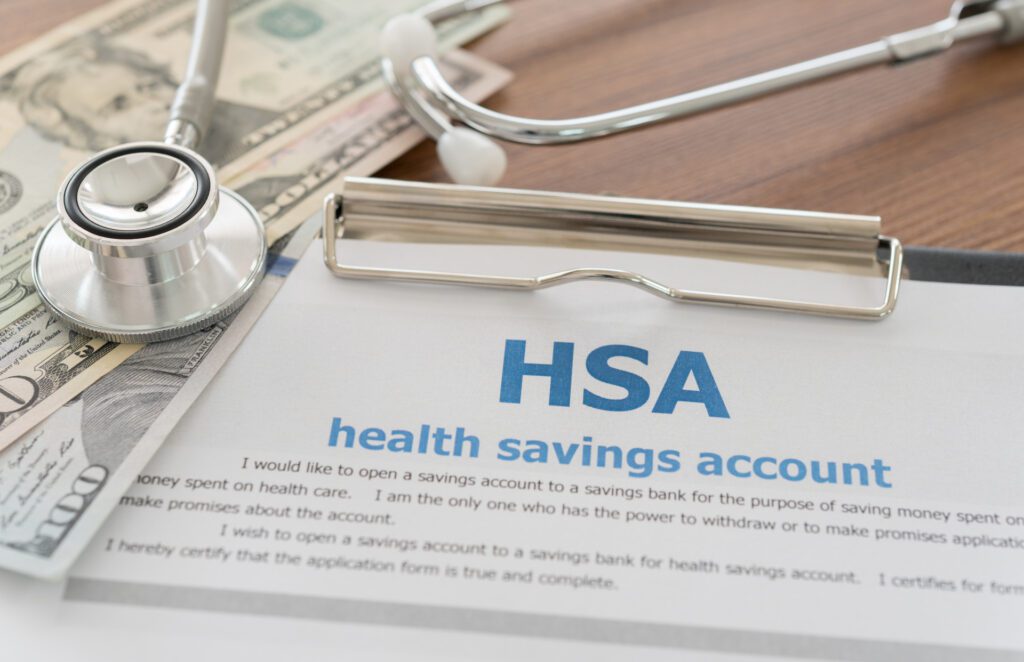
Employer contributions to HSAs or wellness incentives that reduce premiums can further lower both monthly payments and out-of-pocket spending, and employers sometimes offer matching or seed contributions that accelerate HSA balance growth. Wellness programs often include incentives like premium discounts, reduced deductibles, or cash rewards for biometric milestones, which translate into measurable cost savings over a plan year. Pairing an HDHP with proactive HSA contributions and engagement in wellness offerings can produce significant tax and cash-flow advantages while maintaining catastrophic coverage protection.
What Role Do Generic Drugs and Preventive Care Play in Managing Costs?
Generic medications usually cost a fraction of brand-name equivalents and are commonly covered at lower copay tiers or with preferred formulary placement, creating immediate out-of-pocket savings for chronic therapies and acute prescriptions alike. Preventive services mandated by current policy are often covered with no patient cost-sharing, which reduces long-term spending by catching conditions early and preventing expensive interventions. Reading a plan’s formulary and preferred drug list helps you anticipate which medicines will be low-cost and whether specialty drugs may require prior authorization or higher cost-sharing. By combining generic substitution, mail-order discounts, and adherence to preventive care schedules, consumers can materially lower their total annual medical expenses.
Managing drug trends and calculating total expected cost brings us to the final practical section: getting an accurate health insurance quote.
How Can You Get an Accurate Health Insurance Quote?
An accurate health insurance quote requires specific personal and household data, careful comparison of total expected annual cost (not just premium), and the use of reliable tools that factor subsidies and formularies into net cost estimates. Before requesting quotes, gather key information about household composition, income, current prescriptions, and expected healthcare utilization so tools and brokers can model realistic annual spending. The checklist below provides the exact information to prepare for quotes and ensures you compare offers on an apples-to-apples basis, which is crucial for finding truly affordable health insurance plans. Collecting this information up front streamlines the quoting process and helps reveal which plans minimize total annual cost for your specific situation.

Prepare the following details before requesting quotes:
- Exact ages and zip codes for all household members to determine rating factors.
- Estimated household income and tax filing status for subsidy calculations.
- A list of current prescriptions, specialists, and anticipated medical services.
Using those inputs produces more accurate quote comparisons and reduces surprises when you enroll.
What Information Do You Need to Provide for a Health Insurance Quote?
To generate accurate quotes, insurers and marketplaces typically require date of birth, zip code, tobacco status, household size and income, and basic health usage details like current prescriptions or planned procedures, because these inputs determine premium rates and subsidy eligibility. Including prescription names and expected specialist visits helps estimate out-of-pocket costs when comparing formularies and network provider lists, and noting any qualifying life events ensures prompt coverage changes when necessary. For self-employed individuals, documenting net income and expected business deductions clarifies subsidy eligibility and whether marketplace plans may be more affordable than employer options. Having this information ready makes quote tools more precise and speeds decision-making during open enrollment or special enrollment periods.
The financial burden of healthcare can be substantial, and understanding how different insurance statuses affect out-of-pocket spending is crucial for making informed decisions.
Out-of-Pocket Health Care Spending by Insurance Status
The share of total out-of-pocket spending. People without comprehensive medical coverage accounted for a disproportionate share of total out-of-pocket spending. As a result, the calculated amounts represent the out-of-pocket spending levels associated with medical care for the U.S. population.
Out-of-pocket health care expenditures, by insurance status, 2007–10, 2007
Where Can You Find Reliable Tools to Compare Health Insurance Costs?
Reliable quote and comparison tools include official marketplace calculators for subsidy-eligible estimates, insurer-provided cost estimators that reveal plan-specific formularies and provider networks, and independent cost-estimation worksheets that let you model premium plus projected out-of-pocket spending for realistic personas. When using any tool, verify that it allows entry of household income for subsidy calculations and includes formulary lookups for prescription cost predictions, because drug trends—such as expensive specialty drug classes—can shift total cost dramatically. Independent worksheets and calculators are useful for side-by-side total-cost scenarios and can be exported or printed to support enrollment decisions during open enrollment. Using multiple credible tools and cross-checking results helps confirm the plan that truly minimizes your annual health insurance costs.
This final guidance leads directly into practical next steps: assemble your information, use a cost-estimation worksheet, and compare total annual expenses across candidate plans to choose the most affordable option for your needs. Amerus Insurance Group is here to help you along the way.
When comparing different insurance options, it’s important to consider the potential financial strain each type of coverage might impose.
Medicaid vs. Marketplace vs. Employer Insurance: Financial Strain Comparison
Marketplace enrollees were more likely than Medicaid enrollees to delay or avoid care due to cost (19.3% vs 10.0%; adjusted difference (AD), 8.6 [95% CI, 6.8 to 10.4]) and report difficulties affording specialty care (7.7% vs 6.6%; AD, 1.8% [95% CI, 0.3% to 3.3%]), while there were no differences in having insurance accepted by a doctor or ability to afford dental care. Marketplace enrollees were also more likely to report cost-related medication non-adherence (21.5% vs 20.0%; AD, 4.0 [CI, 1.5 to 6.4]), be very worried about not being able to pay medical costs in case of a serious accident (32.3% vs 25.8%; AD, 6.4 [CI, 4.2 to 8.6]), have expenses exceeding $2000 (22.4% vs 5.4%; AD, 8.3 [CI, 6.2 to 10.3]), and have problems paying medical bills (18.4% vs 15.6%; AD, 1.8 [CI, 0.3 to 3.9]). Marketplace-Medicaid differences were larger among persons with a chronic disease. Individuals in ESI plans fared better for most, but not all, outcomes.
Preventing financial strain for low-and moderate-income adults: a comparison of Medicaid, Marketplace, and employer-sponsored insurance, C Kaplan, 2022
Frequently Asked Questions – Affordable Health Insurance Quotes
You can compare affordable health insurance quotes online by entering basic information such as your ZIP code, age, household size, and estimated income.
Comparing multiple plans side by side helps you evaluate monthly premiums, deductibles, copays, prescription coverage, and provider networks before choosing a policy.
Health insurance costs are influenced by factors such as your age, location, tobacco use, household income, and the type of plan you select.
Plans with lower monthly premiums often have higher deductibles, while more comprehensive plans may cost more each month but reduce out-of-pocket expenses.
Many individuals and families qualify for premium tax credits or subsidies through the ACA marketplace based on household income and family size.
These savings can significantly reduce monthly premiums and make health coverage more affordable for eligible applicants.
HMO plans typically require members to use in-network doctors and obtain referrals for specialists, often resulting in lower costs.
PPO plans provide greater flexibility by allowing access to out-of-network providers without referrals, but they usually come with higher premiums and out-of-pocket costs.
Most people enroll during the annual open enrollment period for ACA marketplace plans.
You may also qualify for a special enrollment period after certain life events such as losing employer coverage, getting married, having a child, or moving to a new area.
The best health insurance plan depends on your healthcare needs, budget, prescription medications, and preferred doctors or hospitals.
Reviewing deductibles, copays, annual out-of-pocket limits, and provider networks can help you select coverage that balances affordability and benefits.
It depends on the provider network included with the plan you choose.
Before enrolling, check whether your primary care doctor, specialists, hospitals, and preferred pharmacies are included in the plan’s network to avoid unexpected costs.
A deductible is the amount you pay out of pocket for covered healthcare services before your insurance plan begins sharing costs.
Plans with lower monthly premiums often have higher deductibles, while higher-premium plans may reduce upfront medical expenses.
Yes, self-employed individuals, freelancers, and small business owners can shop for individual or family health insurance plans through the ACA marketplace or private insurers.
Depending on income, many self-employed applicants qualify for subsidies that lower monthly premiums and healthcare costs.
Most online quote tools provide health insurance estimates within minutes after you submit your information.
Having details about your household size, income, preferred doctors, and prescription medications can help generate more accurate quotes and plan recommendations.