Liquor Liability Insurance: Comprehensive Guide to Coverage, Costs, and Requirements
Liquor liability insurance, also called dram shop insurance or alcohol liability insurance, protects businesses and hosts that sell, serve, or furnish alcohol from claims arising when intoxication leads to injury, property damage, or legal expenses. This guide explains what liquor liability covers, why it matters to bars, restaurants, caterers and event hosts, and how dram shop laws intersect with underwriting and premiums. Readers will learn the core coverage elements (bodily injury, property damage, defense costs), the main cost drivers underwriters use, and practical risk-management steps to reduce exposure. The article maps regulatory implications, with a focused look at Florida dram shop considerations, comparisons between host and commercial policies, and specific guidance on getting quotes. Throughout, target keywords such as liquor liability insurance, dram shop insurance, and commercial liquor liability are integrated to clarify terms and improve discoverability. By the end you will have a checklist for mitigation, an understanding of typical limits, and a clear path to request tailored guidance from a local advisor.
What Is Liquor Liability Insurance and Why Is It Important?
Liquor liability insurance is a specialized form of liability coverage that responds when an insured party is legally responsible for harm caused by an intoxicated person. The mechanism works by covering settlement costs, judgments, and legal defense fees tied to alcohol-related incidents, which otherwise can create catastrophic financial exposure for small and mid-size businesses. This protection reduces the risk that a single event will jeopardize a license, reputation, or solvency, and it complements broader commercial policies by filling gaps left by general liability. Understanding these distinctions helps businesses decide when a standalone policy or an endorsement is necessary, and it sets up why we need to examine covered losses and policy exclusions next.
Liquor liability coverage delivers several practical benefits for businesses that serve alcohol:
- Financial protection against large settlements and judgments that result from alcohol-related injuries.
- Coverage for legal defense costs that can otherwise drain operating cash flow.
- Support for regulatory compliance and license preservation through documented risk management practices.
These benefits lead directly into the specific coverage components that every policyholder should review before purchasing or renewing a policy.
What Does Liquor Liability Insurance Cover?
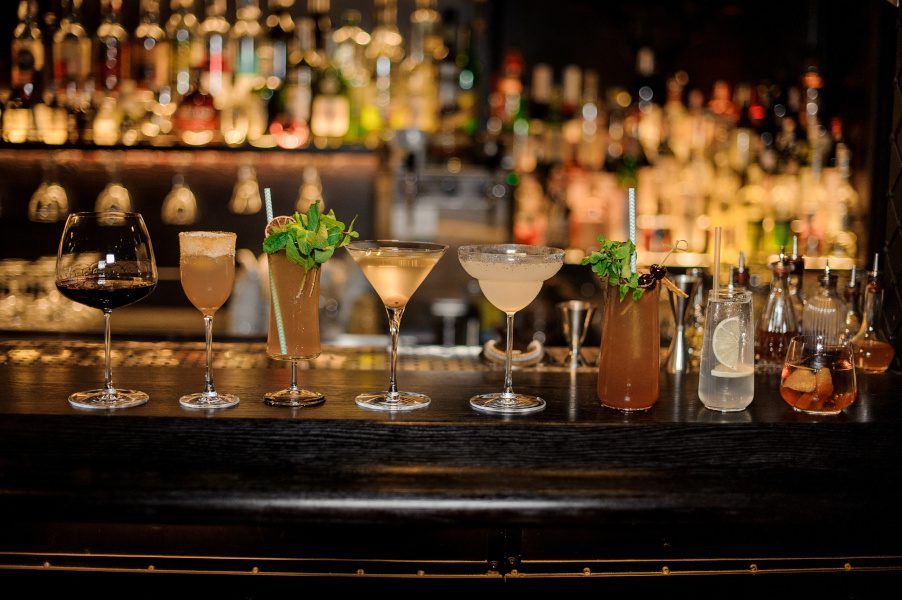
Liquor liability typically covers bodily injury, property damage, legal defense costs, and settlement payments arising from incidents where alcohol was a proximate cause of harm. The policy triggers when a served or sold beverage causes impairment that leads to an event such as a drunk-driving crash, an assault by an intoxicated patron, or property damage at an off-premises location. Limitations and exclusions commonly apply for intentional acts, illegal service to minors, or conduct outside the policy period. Below is a concise Entity-Attribute-Value table to compare coverage elements and typical policy behavior.
The table below explains common coverages and practical notes to help businesses anticipate exposures and underwriting questions.
This breakdown clarifies the key exposures and leads into a comparison with general liability to highlight where gaps often exist.
How Does Liquor Liability Differ from General Liability Insurance?
Liquor liability differs from commercial general liability because it specifically responds to harm causally linked to alcohol service, while general liability generally excludes alcohol-related damages in many policies. The mechanism is that general liability policies often include an alcohol exclusion, making a liquor liability policy or endorsement necessary when alcohol service is material to operations. For businesses selling or serving alcohol, both policies may be needed: general liability for slip-and-fall or foodborne illness claims, and liquor liability for intoxication-related claims. Understanding these differences helps determine bundling strategy, endorsement needs, and where an umbrella or excess policy adds protection for high-severity scenarios.
Common distinctions include scope of trigger, typical exclusions, and underwriting documentation: carriers underwriting liquor liability frequently request alcohol sales percentages, server training records, and security protocols. Recognizing these underwriting needs naturally leads into identifying which businesses require this coverage.
Who Needs Liquor Liability Insurance? Business Types and Industry Requirements
Liquor liability insurance is essential for entities that sell, serve, or supply alcoholic beverages, and it becomes particularly important when alcohol-related incidents create outsized legal or financial exposure. The key mechanism is that any establishment or host whose operations materially involve alcohol faces increased liability risk, and that risk is magnified where dram shop laws permit third-party suits. For many businesses, coverage is not optional but prudent to protect licenses and revenue streams. The next subsection breaks down which business types typically require this protection.
Small businesses that face unique liability exposures often can access federal resources for understanding general insurance and risk management—insurance is a key risk‑management tool for protecting business assets.
U.S. Small Business Administration — U.S. Small Business Administration; Insurance basics for small business.
Businesses and event hosts that commonly need liquor liability include:
- Bars and nightclubs that primarily serve alcohol and have late-night operations.
- Restaurants and breweries where alcohol sales represent a meaningful portion of revenue.
- Caterers, event planners, and venues providing alcohol at private or public events.
- Retailers and liquor stores that sell packaged alcohol but might face third-party claims.
This inventory of business types segues into why state-by-state requirements matter and how dram shop statutes can influence whether insurance is effectively mandatory.
Which Businesses Require Liquor Liability Insurance?
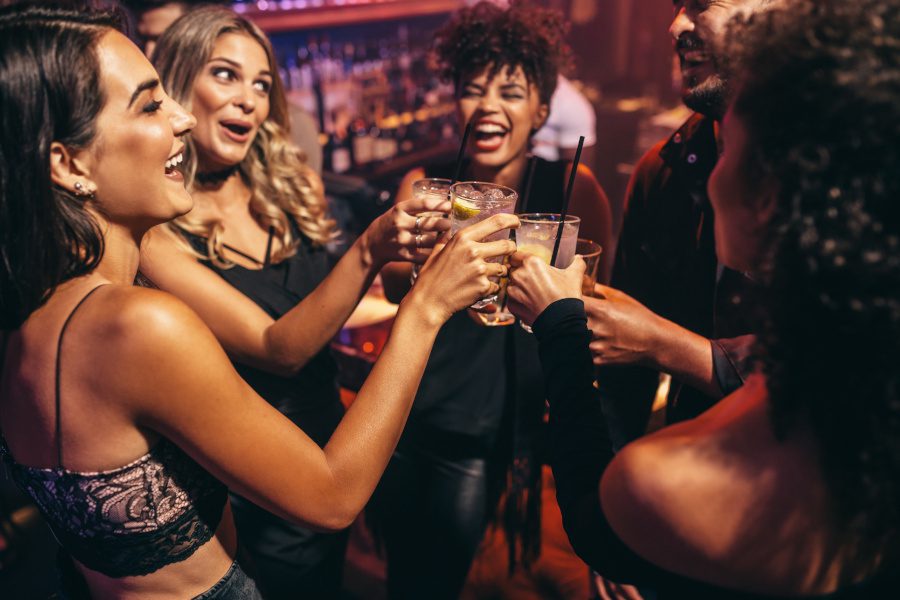
Some businesses face de facto requirements for liquor liability due to licensing conditions, landlord mandates, or venue contracts. Bars, nightclubs, and full-liquor restaurants typically encounter explicit insurance conditions in lease agreements and alcohol licenses that require proof of coverage. Caterers and event venues often must carry event-specific policies or obtain host liquor liability when supplying alcohol at third-party events. Even retailers or grocery stores can be at risk if their sales practices or employee actions contribute to an alcohol-related incident. Recognizing the role of contractual obligations and license-holder duties clarifies why underwriting documentation—such as server training records and proof of licensing—is frequently requested.
Contract and license conditions drive the need for tailored coverage, which leads to an examination of how state requirements vary across jurisdictions.
What Are Liquor Liability Insurance Requirements by State?
Liquor liability requirements vary widely by state, with some jurisdictions having explicit dram shop statutes that create legal exposure for sellers and servers, while others rely on common-law negligence principles.
Federal guidance on employer and business requirements provides context for understanding that state insurance requirements can vary widely, and that regulated businesses should consult official sources for compliance obligations.
Centers for Medicare & Medicaid Services — Centers for Medicare & Medicaid Services; Overview of state regulatory frameworks.
This variability affects underwriting, as carriers price risk based on local statutory frameworks and precedent. Businesses should consult authoritative state resources and counsel to understand statutory liabilities and defenses; insurance underwriters will expect accurate answers about state exposure at application time. Summarizing this variability emphasizes that state law influences both the necessity of coverage and the cost, which leads to a focused look at dram shop laws and their underwriting consequences.
Understanding the statutory landscape sets up the next section on how dram shop laws shape liability and underwriting.
How Do Dram Shop Laws Affect Liquor Liability Insurance?
Dram shop laws impose civil liability on alcohol providers when their service of alcohol is causally linked to third-party harm; the mechanism is legally assigning responsibility to the seller or server for foreseeable injuries. These statutes magnify exposure because they allow injured parties to sue establishments (and in some cases servers) directly for damages stemming from intoxication. The practical result is higher potential claim severity, which underwriters translate into higher premiums or stricter underwriting requirements. The following subsection defines dram shop statutes and how they typically apply.
Dram shop statutes create clear pathways for plaintiffs to claim damages and can expand the class of potential defendants beyond owners to include employees and vendors, thereby increasing coverage complexity and defense costs. This legal framework naturally influences underwriting questions and necessitates more rigorous risk management, which leads to a focused discussion of Florida’s approach and its impact on premiums.
What Are Dram Shop Laws and How Do They Apply?
Dram shop laws are statutes or legal doctrines that permit injured parties to recover from establishments or servers who sold or furnished alcohol to a visibly intoxicated person or to a minor. The legal mechanism often requires proving that the provider’s conduct was a proximate cause of the injury and that the provider either knew or should have known the patron was intoxicated. Typical claim examples include drunk-driving collisions and assaults where a prior service event can be documented. Because carriers view these claims as high-severity, establishments in jurisdictions with robust dram shop liability face more rigorous underwriting scrutiny and may need stronger proof of prevention measures.
This legal risk explanation naturally leads to how Florida specifically treats dram shop exposure and what businesses in Lakeland should consider.
How Do Florida Dram Shop Laws Impact Insurance Needs?
Florida’s statutory and judicial framework influences how carriers assess risk for businesses operating in the state, with insurers examining local precedent, enforcement patterns, and community risk factors. The practical impact for Florida-based businesses can include higher premiums if historical claim frequency is elevated, or specific underwriting requirements such as mandatory server training documentation and written refusal-of-service policies. Businesses should maintain clear incident logs and training records to demonstrate mitigation efforts during underwriting and claims defense. These Florida-specific considerations point directly to how underwriting factors translate into price and coverage options, which is the focus of the next section.
Having established the statutory influence, we now explore the specific cost drivers underwriters use when pricing liquor liability insurance.
What Factors Influence Liquor Liability Insurance Cost and Coverage Options?
Insurers price liquor liability by assessing a range of underwriting factors that together determine expected claim frequency and severity: location, type of business, percentage of revenue from alcohol, claims history, security measures, and management practices. The mechanism is straightforward—higher perceived exposure leads to higher loss cost estimates and, therefore, higher premiums. Understanding these variables helps businesses prioritize mitigation and negotiate favorable terms. The following subsection explains pricing mechanics and includes a table that connects common factors with their typical impact on cost.
Key cost drivers include visible risk controls, documented training programs, hours of operation, and local statutory risk; those elements directly influence whether carriers offer standard rates, require endorsements, or decline coverage. This mapping of drivers to pricing logic informs decisions about limits and umbrella coverage that are discussed next.
How Is Liquor Liability Insurance Priced?
Carriers use a combination of rating factors and actuarial loss cost tables to derive premiums; the primary inputs include annual gross receipts from alcohol, number of service hours, patron capacity, prior claims, and implemented risk controls. Underwriters often apply credits for proactive measures such as certified server training, professional security, and id-check protocols, while applying surcharges for late-night operations or high alcohol revenue percentages. Insurers may request documentation like receipts, training certificates, and incident logs during the application process. Below is an EAV-style table linking common underwriting attributes to their typical impact on cost.
Seeing these drivers helps businesses evaluate appropriate limits, which we address next.
What Coverage Limits Are Typical for Liquor Liability Policies?
Common limit structures for liquor liability use per-occurrence and aggregate limits (for example, $1,000,000 per occurrence / $2,000,000 aggregate is a market benchmark). Per-occurrence limits cap what a carrier will pay for any single claim, while aggregate limits cap total payouts during the policy period. Businesses with higher patron counts or event venues should consider larger per-occurrence limits and umbrella/excess policies to cover catastrophic losses. Limits selection should align with exposure analysis: a small neighborhood bar may choose a lower limit than a large concert venue, but both should weigh potential judgment sizes and license risk when deciding. This consideration naturally leads into the distinction between host and commercial policies and when each is appropriate.
With limit guidance in place, the next section clarifies host versus commercial liquor liability differences.
How Does Host Liquor Liability Differ from Commercial Liquor Liability?
Host liquor liability covers private individuals or short-term event hosts who provide alcohol at social gatherings, while commercial liquor liability covers businesses that regularly sell or serve alcohol as part of their operations. The mechanism is that host policies tend to be short-duration or limited-scope event policies, whereas commercial policies are underwritten based on ongoing operations, revenue mix, and regulatory obligations. Understanding which model applies determines documentation expectations and whether an endorsement to a business policy or a separate event policy is required. The next subsections define host coverage and outline the commercial approach with a comparison table to help readers choose.
Recognizing these distinctions guides businesses and private hosts to purchase appropriate limits and temporary coverage when needed, which is explored in the host policy description.
What Is Host Liquor Liability Insurance?
Host liquor liability insurance is designed for private individuals or event hosts who occasionally provide alcohol at gatherings and want short-term protection for alcohol-related claims. Typical use cases include weddings, fundraisers, and private parties where the host is not in the business of selling alcohol. Policies are often written as short-duration event insurance with per-occurrence limits tailored to the size and risk profile of the event. Hosts should evaluate guest counts, serving practices, and whether professional bartenders will be used because those factors materially affect risk. This host-focused view sets up a direct comparison with commercial policies in the following subsection.
To make the difference clear, the table below contrasts host and commercial policyholder scenarios.
This comparison helps businesses and hosts decide which form of insurance to pursue and moves the discussion toward commercial policy specifics.
How Is Commercial Liquor Liability Insurance Different?
Commercial liquor liability is underwritten for ongoing operations where selling or serving alcohol is a regular business activity; carriers evaluate continuous exposures such as hours of operation, employee training programs, and percentage of revenue from alcohol. Policies may include endorsements addressing standard exclusions, proof-of-training requirements, and conditions for serving minors or visibly intoxicated persons. Commercial policies are commonly bundled with general liability and require ongoing documentation for favorable renewal terms. Understanding these requirements clarifies why businesses should maintain rigorous training and documentation, leading to the final section on risk management and how to obtain quotes.
Having explored coverage types and underwriting distinctions, we now provide practical mitigation measures and a clear quote process.
How Can Businesses Manage Risks and Obtain Liquor Liability Insurance Quotes?
Effective risk management reduces both the likelihood of alcohol-related incidents and the cost of insurance by addressing the underwriting criteria carriers prioritize. Mechanisms that lower exposure include comprehensive server training, robust ID verification, incident documentation, and appropriate security staffing. Implementing these controls improves defensibility in claims and often generates premium credits. The subsection below offers a checklist-style set of best practices organizations can deploy immediately to lower risk and prepare for the quote process.
Adopting these practices not only reduces incidents but also strengthens an insurer’s confidence at application time, which leads to the concrete steps for obtaining quotes and what to prepare for underwriters.
What Are Best Practices for Liquor Liability Risk Management?
Practical measures to reduce liquor liability exposure focus on prevention, documentation, and visible controls that carriers value during underwriting. Key actions include staff server training and certification, consistent ID-check policies with documented refusal logs, deployed security strategies for high-risk hours, and clear written alcohol service policies shared with staff. Regular incident reporting and retention of training certificates create a defensible record, and routine audits of service practices identify improvement areas. Implementing these controls improves safety and positions a business for better premium terms, which naturally leads to the procedural steps for requesting a quote.
Below is a concise checklist of recommended controls that translate into underwriting advantages.

- Server Training: Maintain current certificates for TIPS or state-approved programs for all staff who serve alcohol.
- ID and Refusal Logs: Use clear ID-check procedures and document all refusals of service with date/time and staff initials.
- Security and Lighting: Deploy appropriate security personnel and lighting for late-night operations to deter incidents.
- Incident Documentation: Keep written incident reports and witness statements for any events involving intoxication.
These steps directly inform what underwriters will request during the quote process, described next.
How Do You Get a Liquor Liability Insurance Quote from Amerus Insurance Group?
To obtain an accurate liquor liability quote, follow a simple three-step process that prepares your business and helps advisors provide tailored recommendations. First, gather essential information: business type, annual alcohol revenue or percentage, typical hours of alcohol service, current safety measures, and any prior liquor-related claims. Second, request an assessment where a licensed advisor reviews operations and suggests appropriate limits and endorsements; Amerus Insurance Group offers personalized guidance and can help consolidate risk across a client’s insurance portfolio. Third, receive and compare quotes, then select a policy and consider bundling with general liability or umbrella coverage for broader protection.
- Prepare information: business description, alcohol sales %, capacity, prior claims, and training records.
- Schedule an assessment: a local advisor reviews risk controls and recommends limits and endorsements.
- Compare and bind: evaluate quotes with attention to limits, defense provisions, and bundling options.
Our insurance brokerage provides localized advisory support from Lakeland, FL, helping businesses simplify the quote process, tailor coverage to operational realities, and explore whole-portfolio bundling to secure appropriate protection while streamlining renewals.
This next-steps guidance concludes the procedural path for businesses seeking coverage and closes the article with practical action items to implement immediately.
Frequently Asked Questions – Liquor Liability Insurance
Liquor liability insurance is coverage that protects businesses that sell, serve, or distribute alcohol from claims involving bodily injury, property damage, or legal costs caused by intoxicated patrons.
It is commonly used by bars, restaurants, breweries, nightclubs, and event venues to reduce financial risk from alcohol-related incidents.
Any business or event that serves or sells alcohol may need liquor liability insurance, including bars, restaurants, caterers, breweries, and event organizers.
Even private events and venues that host alcohol service can benefit from this coverage to protect against lawsuits and financial losses.
This insurance typically covers legal defense costs, settlements, and medical expenses related to alcohol-related incidents.
It may also include coverage for third-party injuries, property damage, and lawsuits involving intoxicated customers.
Most policies do not cover intentional acts, criminal activity, or damages unrelated to alcohol service.
Employee injuries are typically excluded and would fall under workers’ compensation insurance instead.
Costs vary based on business type, location, alcohol sales volume, and coverage limits.
Smaller establishments may pay a few hundred dollars per year, while high-risk venues such as busy bars or nightclubs may pay significantly more.
You can request a quote online through an insurance provider or work with a licensed insurance agent who specializes in commercial coverage.
Providing details like your business type, alcohol sales, and location helps generate faster and more accurate pricing.
Requirements vary by state and business type, but some states and municipalities do require liquor liability coverage for alcohol-serving businesses.
Even when not legally required, many landlords, event contracts, and licensing authorities may still require proof of coverage.
When choosing a policy, look for adequate coverage limits, legal defense protection, and endorsements like assault and battery coverage if applicable.
It’s also important to compare carriers, exclusions, and claims support to ensure your business is fully protected against alcohol-related risks.