
Comprehensive Guide to Inland Marine Insurance: Coverage, Benefits, and Business Protection
Inland marine insurance protects movable property, equipment, and goods while in transit, at temporary locations, or during installation, filling coverage gaps left by standard commercial property policies. This guide explains how inland marine functions, which asset types and industries most often rely on it, the perils it addresses, and practical steps businesses can take to price and tailor coverage. Readers will learn how inland marine differs from commercial property, see industry-specific use cases for contractors and logistics firms, and get actionable checklists for underwriting and quoting. The article also maps common exclusions and endorsements, presents EAV-style tables to simplify decision factors, and outlines how a local advisor can coordinate inland marine with broader commercial lines. Understanding these elements helps business owners protect high-value movable assets, reduce downtime after loss, and make informed choices when securing coverage.
What Is Inland Marine Insurance and Why Is It Essential for Businesses?
Inland marine insurance is a form of commercial property insurance that covers movable property, goods in transit, and equipment at temporary or off-site locations, protecting businesses from loss during transport, installation, and storage away from a fixed premises. It operates by recognizing that exposures follow assets, not addresses, so policies can be scheduled or blanket to match the movement and value of property. The primary benefit is financial continuity: inland marine replaces or repairs assets that a standard commercial property policy may exclude, minimizing operational interruptions. This section identifies typical asset classes and scenarios where inland marine is essential, leading into concrete examples of coverage and the distinctions from on-premises policies.
Inland marine commonly covers the following asset types and scenarios:
- Construction equipment and tools that travel between sites or are stored temporarily during projects.
- Goods in transit, including shipments carried by third-party carriers or company vehicles.
- Specialized movable property such as medical devices, production machinery during relocation, and fine art shown at exhibitions.
These examples illustrate why businesses facing frequent asset movement should evaluate inland marine options, and the next subsection explains how inland marine differs from commercial property coverage.
How Does Inland Marine Insurance Differ from Commercial Property Insurance?
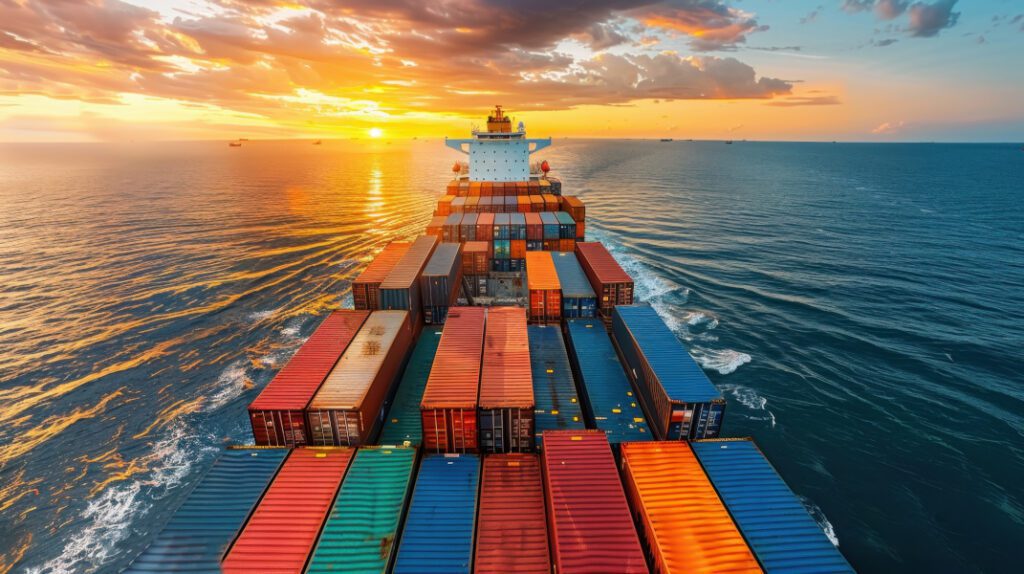
Inland marine differs from commercial property insurance primarily by scope and location: commercial property covers fixed structures and permanently sited property, while inland marine covers movable assets in transit or at temporary sites. This distinction matters because standard property policies often exclude goods while off-premises or during transit, leaving gaps for contractors, exhibitors, and logistics firms. Inland marine fills those gaps with targeted forms—such as equipment floaters or installation coverage—that can be scheduled to specific values or provided as blanket limits for entire classes of property. Understanding these differences helps businesses decide when to add inland marine endorsements versus relying solely on commercial property coverage.
A short comparison clarifies common gaps that create claims exposure for moving assets, and the next subsection lists the types of movable property typically insured by inland marine forms.
What Types of Movable Property Does Inland Marine Insurance Cover?
Inland marine policies typically insure a range of movable property categories including contractor equipment, goods in transit, installation projects, and valuable articles such as fine art or jewelry. Contractors often insure heavy machinery and portable tools with an equipment floater, while logistics companies use motor truck cargo or goods-in-transit coverage to protect shipments during transportation. Installation floaters cover materials and equipment awaiting installation, and valuable articles floaters address higher-value items with specialized valuation methods. These categories reflect the hyponym relationships within inland marine—the specific policy types are subcategories of broader property and transportation insurance.
To clarify asset attributes relevant to underwriting, the table below defines representative movable asset entities, their common value ranges, and typical perils they face.
Here is a quick reference for common movable asset types and their typical risk characteristics:
This table orients businesses to typical exposures and shows why tailored valuation and transit controls influence policy structure; the next H2 identifies who most often needs these coverages.
Who Needs Commercial Inland Marine Insurance?
Businesses that regularly move or temporarily site valuable property typically need inland marine insurance because their risk follows the asset rather than the building address. Target audiences often include contractors moving equipment between projects, logistics and carriers transporting third-party goods, manufacturers relocating production machinery, and specialty retailers or exhibitors handling valuable articles. Each industry faces unique claim scenarios—contractors contend with theft from job sites, logistics firms confront loading/unloading damage, and exhibitors must guard against loss during transit to shows—so coverage types and limits should align with those practical needs. The next subsection explains contractor-specific products, while a following subsection outlines logistics company exposures.
Business insurance protects your company from unexpected costs, including property loss, liability claims, and damage to assets — ensuring financial continuity and operational stability for companies of all sizes.
U.S. Small Business Administration — Get business insurance.
Industries that commonly purchase inland marine include the following:
- Contractors who require coverage for mobile heavy equipment and materials at multiple job sites.
- Logistics firms and carriers that transport customer cargo and need motor truck cargo protection.
- Specialty dealers, galleries, and exhibitors who move valuable articles for display or sale.
These industry examples frame the coverage choices discussed in the next subsection and lead to specific policy forms used by contractors.
Why Contractors Require Equipment Floater and Builder’s Risk Coverage

Contractors rely on equipment floater policies to protect mobile tools and machinery that frequently move from site to site, and they use builder’s risk coverage to insure materials and completed work during construction. Equipment floaters typically cover theft, accidental damage, and collision while a piece of equipment is transported or in temporary storage, whereas builder’s risk focuses on the structure under construction and the materials on-site. Common claim scenarios include stolen tools left in unsecured trailers and equipment damaged during transport; these occurrences cause project delays and increased replacement costs. Contractors assess coverage limits, agreed values, and endorsements like rented equipment or spare parts coverage to tailor protection and manage exposure.
Analyzing contractor needs points naturally to logistics companies, which face transit and storage risks that demand different inland marine solutions.
How Logistics Companies Benefit from Motor Truck Cargo and Property In Transit Protection
Logistics companies benefit from motor truck cargo and goods-in-transit coverage because these forms directly insure third-party cargo losses they may be contractually liable for during carriage, loading, unloading, and temporary storage. These policies address theft from vehicles, damage during handling, and losses that occur at transfer points or short-term storage facilities, and they can include warehouse legal liability for on-site storage. Typical mitigations that reduce claims and premiums include secured parking, GPS tracking, tamper-evident seals, and standardized loading procedures. Insuring cargo appropriately protects carriers from contractual liability and supports business continuity when shipments are delayed or damaged.
Understanding perils that trigger these policies helps businesses design effective risk controls, which the next H2 examines in detail.
What Perils and Risks Does Inland Marine Insurance Protect Against?
Inland marine insurance protects against a range of perils that commonly impact movable property, including theft, fire, accidental damage, and mysterious disappearance, with coverage wording varying between named-peril and all-risk formats. The choice between named-peril and all-risk language affects whether the policy automatically includes perils or requires them to be explicitly listed, which in turn influences underwriting, premiums, and the need for endorsements. Businesses must assess likely perils by activity—high-theft transit routes, heavy handling operations, or exposure to water during loading—and implement mitigation measures that insurers often require. The following subsection breaks down how common perils are addressed in claims, while the subsequent subsection outlines typical exclusions and how to manage them.
Common perils covered by inland marine policies include:
- Theft: Coverage for theft from vehicles, job sites, or temporary storage when the policy terms permit.
- Fire: Protection for cargo or equipment damaged by fire during transit or at interim locations.
- Accidental Damage: Coverage for handling damage, drops, collisions, and other unintended losses.
These perils form the core of most inland marine policies and guide decisions about endorsements and loss control; next we explore how claims for such perils typically proceed.
How Does Inland Marine Insurance Cover Theft, Fire, and Accidental Damage?
When a covered theft, fire, or accidental damage event occurs, inland marine policies respond according to the policy’s insuring agreement, valuation method, and applicable deductibles, with claim payments based on agreed values, actual cash value, or replacement cost clauses. For theft claims, carriers usually require proof of ownership, police reports, and documentation of security measures at the time of loss; for fire claims, loss runs and maintenance records can demonstrate preventive controls. Accidental damage claims often hinge on handling records, carrier bills of lading, and evidence of packaging adequacy. Documenting asset schedules and following prescribed mitigation practices accelerates settlement and helps maintain favorable premiums.
Documenting perils and outcomes reveals common exclusions next, which businesses must address proactively through endorsements.
What Are Policy Exclusions and Limitations in Inland Marine Coverage?
Typical inland marine exclusions include wear-and-tear, gradual deterioration, intentional acts, war and nuclear perils, and certain water perils unless specifically endorsed, meaning businesses must evaluate gaps and purchase endorsements or separate marine policies when needed. Exclusions may also limit coverage by geography, transit method, or storage condition—airfreight versus ground transport often has different underwriting terms. To address exclusions, businesses can purchase specific endorsements (for example, for mysterious disappearance or flood), increase security measures to qualify for broader wording, or schedule high-value items individually with agreed values. Reviewing exclusions during underwriting and renewal reduces surprise claim denials and informs appropriate policy layering.
Knowing perils and exclusions leads into how insurers underwrite and price inland marine coverage, which the next H2 covers.
How Is Inland Marine Insurance Customized and Priced?
Inland marine customization and pricing depend on asset characteristics, transit frequency, security controls, claims history, and policy structure choices like scheduled versus blanket limits and deductible selection. Underwriters evaluate the nature and value of movable property, how often it moves, where it travels, and the controls in place—each factor directly affects premium calculation and available terms. Policies can be structured with scheduled values for individually high-value items or as blanket limits covering classes of assets, and endorsements allow tailored coverage for installation projects or specific perils. The following numbered list summarizes the main pricing factors and their relative impact on premiums, followed by a table that links asset types to pricing influences.
When evaluating insurance for business property and movable assets, assessing risks and matching coverage to operations helps ensure you’re protected where standard policies may fall short.
U.S. Small Business Administration — Get business insurance.
Below are the primary factors underwriters use to price inland marine policies:
- Asset Value and Nature: Higher values and fragile or specialized items raise premiums due to replacement cost and complexity.
- Transit Frequency and Routes: More frequent movement and transit through high-risk areas increase exposure and cost.
- Security and Mitigation Measures: Strong controls such as locking, GPS, and vetted carriers reduce risk and typically lower premiums.
This set of pricing drivers clarifies which controls yield the greatest underwriting benefit and introduces a table linking asset attributes to premium impact.
To illustrate how specific asset attributes influence cost, the following table pairs asset types with the pricing factors that most affect their premium.
This table helps businesses prioritize underwriting actions—next we explain what businesses should prepare to get accurate inland marine quotes.
What Influences the Cost of Equipment Floater and Cargo Insurance Policies?
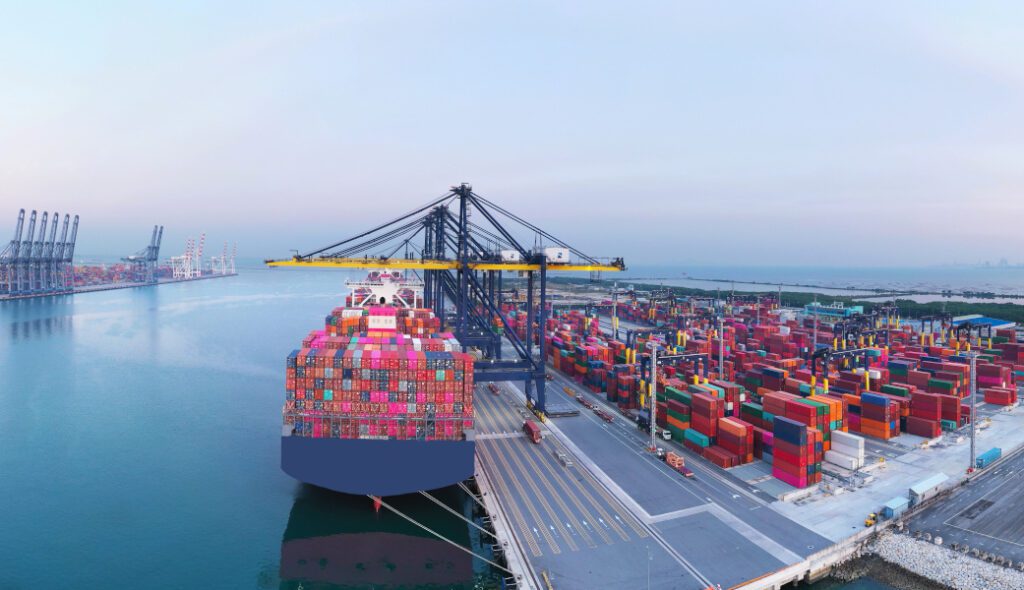
The leading cost drivers for equipment floater and cargo policies are asset replacement value, the regularity of movement, the quality of carrier vetting, and the presence of active loss control programs such as GPS tracking and secure storage. For equipment floaters, whether items are scheduled individually or covered under a blanket limit affects premium and claim settlement practices, with scheduled values often required for very high-value pieces. Cargo policies price heavily on transit routes and mode—long-distance shipments through high-theft regions command higher rates. Insurers also consider historical loss runs; a clean claims history typically brings better pricing and broader terms.
These cost drivers determine the documents and records businesses should compile when seeking quotes, which the next subsection details.
How Can Businesses Get Accurate Inland Marine Insurance Quotes?
To get accurate quotes, businesses should prepare an asset schedule with values, describe transit patterns and routes, provide security and carrier vetting details, and submit loss runs for the past three to five years when available, which helps underwriters calibrate rates and deductible options. A concise checklist speeds the quoting process and improves proposal accuracy:
- Itemized asset list with agreed values where applicable.
- Typical transit routes, frequency, and transportation modes.
- Description of security measures and any third-party carrier contracts.
Providing this information upfront reduces follow-up underwriting questions and shortens time-to-quote, enabling faster policy placement and clearer budget planning for risk managers.
How Does Amerus Insurance Group Provide Specialized Inland Marine Insurance Solutions?
To provide comprehensive insurance and financial solutions, simplify the process, and guide clients to secure their financial future through personalized advice and tailored plans. Amerus Insurance Group positions its approach around licensed advisors who tailor coverage to client needs, whole-portfolio coordination across commercial lines, and local responsiveness from a Lakeland, FL base that emphasizes fast quotes and proactive reviews. Their model focuses on integrating inland marine protection with related commercial lines such as commercial property and commercial auto so that movable-asset exposures are not managed in isolation. The section below summarizes tangible client benefits and the operational steps our insurance brokerage typically follows to deliver tailored inland marine solutions.
Amerus helps clients with a clear set of benefits:
- Personalized advisor support that aligns inland marine coverage with broader risk management objectives.
- Faster, local responsiveness for quotes and proactive policy reviews to adjust coverages as business activity changes.
- Coordination across commercial property, commercial auto, and other business insurance to reduce gaps and overlap.
These benefits lead into a brief explanation of the advisor-assisted client journey and how Amerus expedites quotes and renewals.
What Are the Benefits of Amerus’s Tailored Coverage for Movable Business Assets?
Amerus’s tailored coverage aims to reduce downtime after a loss, accelerate claims resolution, and ensure assets are valued and scheduled accurately to support rapid replacement or repair, providing clear continuity benefits to businesses. By coordinating inland marine with adjacent commercial lines, Amerus helps clients avoid coverage duplication and fills protection gaps that would otherwise create out-of-pocket exposures. Local advisors in Lakeland, FL offer ongoing policy reviews so that evolving operations—such as new transit routes or additional equipment—trigger timely coverage adjustments. These practical outcomes make inland marine policies more effective as part of a holistic commercial insurance strategy.
Describing benefits naturally leads to how Amerus conducts fast quotes and proactive reviews for clients, which is covered next.
How Does Amerus Support Clients with Fast Quotes and Proactive Policy Reviews?
Amerus supports clients through a streamlined advisory workflow that begins with an initial consult to capture asset schedules, transit profiles, and loss history, followed by targeted insurer outreach for comparative terms and a proactive renewal process that revisits limits and endorsements before expiry. This process emphasizes efficiency—clearly documented asset lists and risk-control details shorten insurer inquiries and produce faster quotes—while scheduled reviews identify opportunities to optimize deductibles or consolidate coverage across property and auto lines. Local responsiveness from Lakeland-based advisors enables timely communication during claims and renewal cycles, enhancing client confidence in recovery planning.
This description of service mechanics illustrates how a coordinated advisor-led approach can reduce procurement friction and improve long-term protection for movable assets.
What Are Common Questions About Inland Marine Insurance?
Businesses frequently ask whether inland marine is separate from general liability, whether watercraft are covered, how much coverage costs, and which documentation is most important; concise answers help decision-makers quickly triage next steps. This section provides short, direct answers to these PAA-style questions so readers can identify when to consult a broker or request a formal quote. The first subsection clarifies the distinction between property and liability coverage while the second explains the typical modern scope of inland marine versus ocean marine or watercraft policies.
Clear, short answers streamline decision-making for busy risk managers and introduce practical follow-up steps such as preparing asset schedules or requesting policy comparisons.
Is Inland Marine Insurance a Separate Policy from General Liability?
Yes, inland marine is separate from general liability: inland marine covers property loss or damage to movable assets, whereas general liability addresses third-party bodily injury and property damage liability arising from your operations. For example, a damaged shipment of goods would trigger an inland marine claim, while an injured visitor at a job site would prompt a general liability response. Both coverages can be relevant simultaneously—for instance, when cargo damage causes a delivery delay that leads to a liability claim—so coordinating limits and deductibles across policies avoids coverage gaps. Businesses should therefore consider a coordinated package that aligns inland marine with liability and commercial property protections.
This distinction frames the next question about whether inland marine covers watercraft or only land-based property.
Does Inland Marine Insurance Cover Watercraft or Only Land-Based Property?

Modern inland marine insurance primarily covers land-based transport and movable property, including goods in transit overland and assets at temporary land-based locations, while specialized marine or watercraft policies are typically required for vessels and ocean-going exposures. The historical term “marine” reflects origins in transportation insurance, but in contemporary practice inland marine focuses on overland and short inland waterways exposures rather than maritime hull insurance. When businesses have mixed exposures—such as equipment moved by barge or vessels used for commercial operations—they should consult a broker to determine whether inland marine endorsements, ocean cargo policies, or dedicated marine/watercraft coverage are appropriate. Consulting a knowledgeable advisor ensures proper policy alignment for mixed-mode transport.
This final FAQ closes the guide by pointing readers toward practical next steps in securing appropriate inland marine protection.
Frequently Asked Questions – Cargo Insurance Solutions
Cargo insurance protects goods while they are being transported by land, sea, or air.
It typically covers loss, theft, and physical damage caused by accidents, weather events, or handling issues during transit.
Businesses that ship goods regularly should consider cargo insurance, including manufacturers, wholesalers, importers, exporters, and eCommerce sellers.
It is especially important for companies transporting high-value or fragile goods.
Cargo insurance specifically covers goods in transit from one location to another.
Inland marine insurance is broader and may also cover tools, equipment, and property that is mobile or temporarily stored off-site.
Cargo insurance costs vary based on shipment value, transportation method, distance, and type of goods being shipped.
High-risk or high-value cargo generally results in higher premiums.
Premiums are influenced by cargo type, declared value, shipping route, carrier history, packaging quality, and risk exposure.
Security measures and claim history can also impact pricing.
Yes, most cargo insurance policies cover theft, loss, and physical damage that occurs while goods are in transit.
Coverage details may vary depending on policy terms and exclusions.
You can request a cargo insurance quote through an insurance provider or broker by submitting shipment details.
Information such as cargo type, value, shipping route, and frequency helps generate an accurate quote.
To file a claim, notify your insurer as soon as possible after discovering damage or loss.
You will typically need shipping documents, proof of value, photos of the damage, and a detailed incident report.
Yes, cargo insurance policies can be tailored for high-value, fragile, or specialized goods.
Coverage limits, deductibles, and risk protections can be adjusted based on shipment requirements.
Cargo insurance usually excludes losses due to improper packaging, inherent product defects, delays, or illegal shipments.
Policy exclusions vary, so reviewing coverage terms is important before shipping goods.