
Full Coverage Auto Insurance Options Explained: Understanding Coverage Types and Costs
Full coverage auto insurance is a comprehensive policy designed to protect drivers from a variety of risks on the road. It typically includes several types of coverage that safeguard against damages to your vehicle and liability for injuries or damages to others. Understanding these coverage types is essential for making informed decisions about your insurance needs. This article will delve into the various types of coverage included in full coverage auto insurance, associated costs, and factors influencing insurance premiums. By the end, you will have a clearer picture of how to choose the right policy for your situation.
Coverage Types
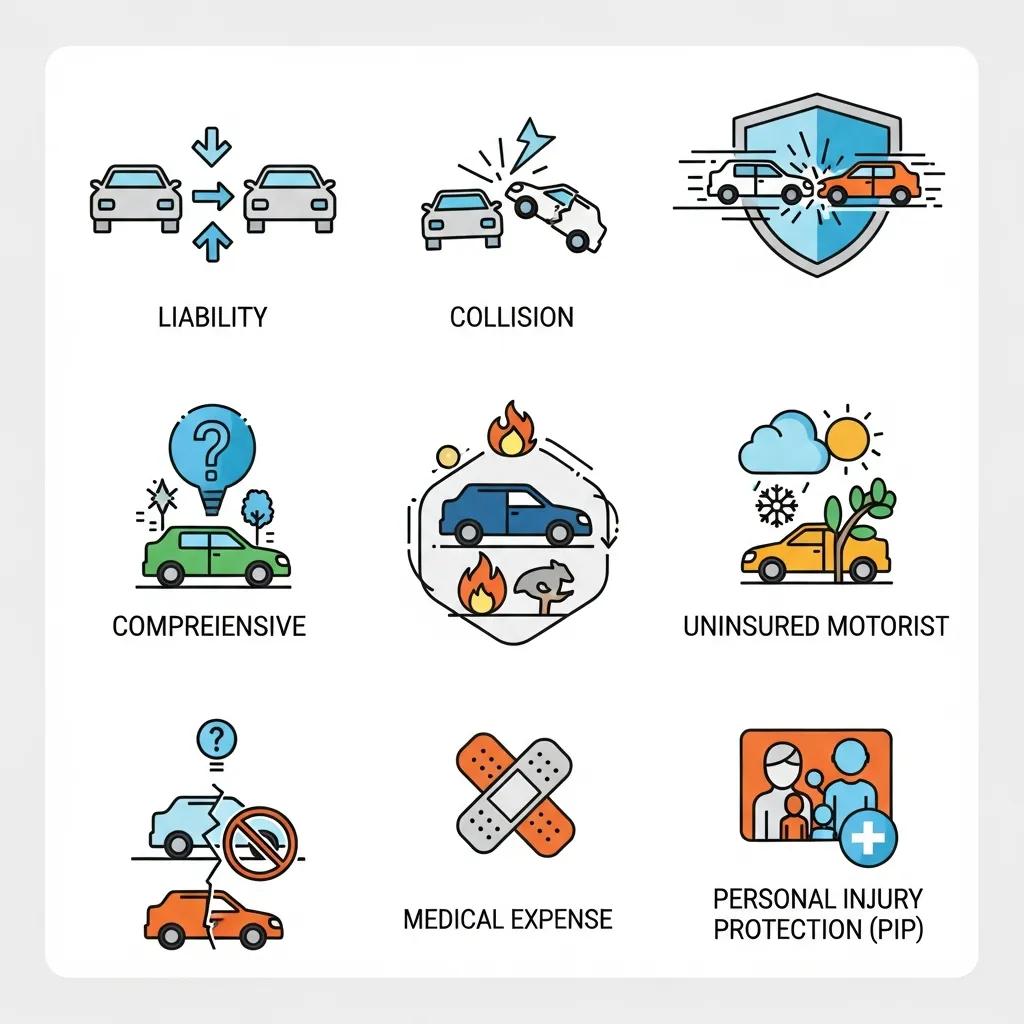
Full coverage auto insurance encompasses several key types of coverage that provide extensive protection for drivers. Each type serves a specific purpose and is crucial for comprehensive risk management on the road.
Liability Coverage
Liability coverage is a fundamental component of full coverage auto insurance, protecting you against claims for bodily injury and property damage that you may cause to others in an accident. This coverage is often required by law and varies by state. Higher limits are advisable to ensure adequate protection, as medical expenses and property damage can quickly exceed basic coverage limits. Understanding your state’s requirements is essential to ensure compliance and adequate protection.
Collision Coverage
Collision coverage helps pay for repairs to your vehicle after an accident, regardless of who is at fault. This type of coverage is particularly beneficial for newer or more valuable vehicles, as repair costs can be significant. It covers damages from collisions with other vehicles or objects, such as trees or guardrails. While collision coverage adds to your premium, it can save you from substantial out-of-pocket expenses in the event of an accident.
Comprehensive Coverage
Comprehensive coverage protects against non-collision incidents that can damage your vehicle, such as theft, vandalism, or natural disasters. This coverage is essential for safeguarding your investment, especially if you live in an area prone to such risks. It typically covers a wide range of incidents, providing peace of mind that your vehicle is protected from unforeseen events. Understanding what incidents are covered can help you assess the value of this coverage in your policy.
Uninsured/Underinsured Motorist Coverage
Uninsured/underinsured motorist coverage is crucial for protecting yourself in the event of an accident with a driver who lacks sufficient insurance. This coverage ensures that you are not left with significant medical bills or repair costs if the at-fault driver cannot pay. Many states require this coverage, but it is wise to opt for higher limits to ensure comprehensive protection. This type of coverage can be a lifesaver in accidents involving uninsured drivers.
Personal Injury Protection (PIP)
Personal Injury Protection (PIP) is designed to cover medical expenses and, in some cases, lost wages for you and your passengers, regardless of who is at fault in an accident. This coverage is particularly important in no-fault states, where drivers are required to carry PIP. It can help alleviate the financial burden of medical bills and rehabilitation costs, making it a valuable addition to your full coverage auto insurance policy.
The concept of no-fault insurance has been a subject of discussion regarding its impact on claim costs and bodily injury coverage.
No-Fault Bodily Injury Insurance and Claim Cost Savings
was the first state statute of the type to which the term “no-fault” came to be bodily injury no-fault law produced greater savings in claim costs than even the boldest proponents of no-fault
No-Fault Insurance: A Status Report, 1971
Associated Costs
The costs associated with full coverage auto insurance can vary significantly based on several factors, including the types of coverage selected, the driver’s profile, and the vehicle being insured. Understanding these costs is essential for budgeting and making informed decisions.
These costs can fluctuate based on your location, driving history, and the specific insurance provider. It’s essential to compare quotes from different insurers to find the best rates for your coverage needs.
Factors Influencing Insurance Premiums

Several factors influence the premiums you pay for full coverage auto insurance. Understanding these factors can help you make informed decisions and potentially lower your costs.
The determination of auto insurance premiums involves a complex interplay of driver and vehicle characteristics, operational expenses, and desired profit margins.
Personalized Auto Insurance Premiums: Risk Factors and Costs
In order to determine a suitable automobile insurance policy premium, one needs to take into account three factors: the risk associated with the drivers and cars on the policy, the operational costs associated with management of the policy and the desired profit margin. Given multiple features of the policy (age and gender of drivers, value of car, previous accidents, etc.), one can potentially try to provide personalized insurance policies based specifically on these features.
A data science approach to risk assessment for automobile insurance policies, P Hosein, 2024
Research consistently examines the intricate relationship between various risk factors and the resulting disparities in auto insurance premiums and loss costs.
Auto Insurance Premiums: Risk Factors and Loss Costs
and classification data from the automobile statistical plan to investigate the disparities between insurance premiums and loss costs. The focus is on major risk factors used in the rate
Exploring industry-level fairness of auto insurance premiums by statistical modeling of automobile rate and classification data, S Xie, 2022
- Driver-related Factors: Your age, driving history, and credit score can significantly impact your premiums. Younger drivers or those with a history of accidents may face higher rates.
- Vehicle-related Factors: The make, model, and age of your vehicle can affect your insurance costs. More expensive or high-performance vehicles typically incur higher premiums.
- Policy and Location Factors: The type of coverage you choose and where you live can also influence your rates. Urban areas with higher traffic and accident rates often have higher premiums compared to rural areas.
The applicability and prioritization of these risk factors can vary significantly across different regions and economic contexts, highlighting the complexity of insurance management.
Factors Affecting Automobile Insurance Risk Levels
have been introduced in different countries as the factors affecting the risk level in automobile insurance policies, not all these factors are applicable for Iran due to its economic, social
Prioritizing risk-level factors in comprehensive automobile insurance management: A hybrid multi-criteria decision-making Model, ZS Esfandabadi, 2023
By understanding these factors, you can take steps to mitigate your insurance costs, such as maintaining a clean driving record and choosing a vehicle with lower insurance rates.
What Does Full Coverage Auto Insurance Include?
Full coverage auto insurance typically includes a combination of liability, collision, and comprehensive coverage, along with additional options like uninsured/underinsured motorist coverage and personal injury protection. This comprehensive approach ensures that you are protected against a wide range of risks on the road. It’s essential to review your policy details to understand the specific coverages included and any limitations that may apply.
How Much Does Full Coverage Car Insurance Cost?
The cost of full coverage car insurance can vary widely based on several factors, including your location, driving history, and the specific coverages you choose. On average, drivers can expect to pay between $1,200 and $2,500 annually for full coverage. However, this range can fluctuate based on individual circumstances. It’s advisable to obtain quotes from multiple insurers to find the best rates tailored to your needs.
What Factors Influence Premiums and Deductibles?
Several key factors influence both premiums and deductibles in full coverage auto insurance:
- Driving Record: A clean driving record can lead to lower premiums, while accidents or traffic violations can increase costs.
- Coverage Limits: Higher coverage limits typically result in higher premiums, but they provide greater financial protection in the event of a claim.
- Deductible Amount: Choosing a higher deductible can lower your premium, but it also means you will pay more out-of-pocket in the event of a claim.
Understanding these factors can help you make informed decisions about your insurance policy and manage your costs effectively.
How Can You Save on Full Coverage Auto Insurance?
Saving on full coverage auto insurance is possible through various strategies:
- Shop Around: Compare quotes from multiple insurance providers to find the best rates.
- Bundle Policies: Consider bundling your auto insurance with other policies, such as home or renters insurance, for potential discounts.
- Maintain a Good Driving Record: Safe driving can lead to lower premiums over time, as insurers reward responsible drivers.
By implementing these strategies, you can reduce your overall insurance costs while maintaining the necessary coverage.
What Are the Best Full Coverage Auto Insurance Options Available?
When searching for the best full coverage auto insurance options, consider the following:
- Reputation of the Insurer: Research customer reviews and ratings to gauge the reliability of the insurance provider.
- Coverage Options: Ensure the insurer offers the specific coverages you need, including optional add-ons.
- Customer Service: Look for insurers known for excellent customer service and claims handling.
By evaluating these factors, you can select an insurance provider that meets your needs and offers comprehensive coverage.
How Do Independent Insurance Brokers Help You Choose the Right Policy?
Independent insurance brokers play a vital role in helping you navigate the complexities of full coverage auto insurance. They provide personalized service and can offer insights into various insurance products. Brokers can help you compare policies from multiple insurers, ensuring you find the best coverage at the most competitive rates. Additionally, they can assist in understanding the nuances of different policies, making the selection process more manageable.
By leveraging the expertise of independent brokers, you can secure a policy that aligns with your specific needs and financial situation.