Florida No Fault Insurance: Understanding Personal Injury Protection and Claims Process
Florida’s no-fault system gives immediate medical coverage after car accidents through Personal Injury Protection (PIP), a required part of most Florida auto policies. Understanding Florida no fault insurance helps drivers file claims, secure benefits, and choose appropriate coverage. This article summarizes the system, the claims process, common issues, exemptions, and how independent brokers can help.
Key Takeaways
- PIP is mandatory for most Florida drivers and covers medical costs and partial wage loss.
- PIP pays regardless of fault and includes death benefits in fatal cases.
- No-fault rules limit lawsuits except for serious injuries or death.
- Claims require prompt reporting, documentation, and follow-up with insurers.
- Common hurdles include denials, delays, and coverage-limit gaps that can create out-of-pocket costs.
- Exemptions include motorcycles, some commercial vehicles, and certain out-of-state drivers.
- Amerus Insurance Group will compare policies, advise on PIP options, and support claims.
- The no-fault approach prioritizes faster access to care and reduced court congestion.
What is Florida No Fault Insurance and How Does It Protect You?
Florida no-fault insurance lets injured drivers access medical and limited wage benefits without proving fault. PIP is the mechanism for these payments and is required for most Florida drivers. The main advantage is quicker access to care and financial help after an accident, reducing reliance on litigation.
Research has examined the financial effects and efficiency of no-fault systems.
No-Fault Insurance System Cost Analysis
of no-fault on system costs is measurable by comparing new and old system total loss costs.
First-year cost results under no-fault automobile insurance: A comparison of the Florida and Massachusetts experience, 1974
Defining Florida Personal Injury Protection Coverage
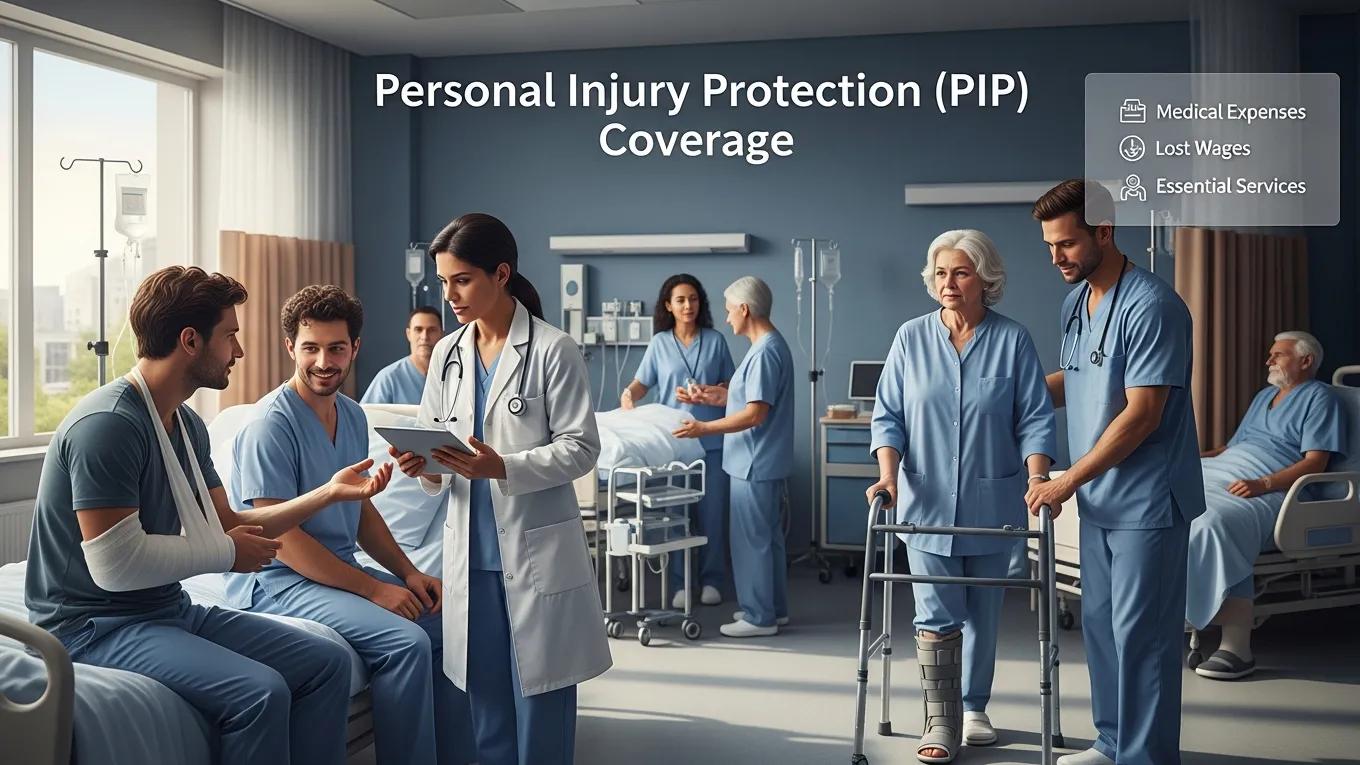
PIP in Florida covers necessary medical treatment, a portion of lost wages, and death benefits related to a covered accident. Typical items covered include:
- Medical expenses: hospital care, surgeries, therapy, and rehabilitation.
- Lost wages: partial income replacement when an injury prevents work.
- Death benefits: payments to beneficiaries after a fatal accident.
PIP’s purpose is prompt medical access and short-term financial support after an accident.
Key Features of No Fault Car Insurance in Florida
Florida’s no-fault system differs from traditional tort-based insurance in key ways:
- Mandatory Coverage: most drivers must carry at least $10,000 in PIP.
- Limited Liability: the right to sue is restricted to serious injuries or death.
- Immediate Benefits: PIP provides benefits quickly without waiting for fault determinations.
These features aim to speed care and reduce litigation for minor injuries.
How Does the Florida No Fault Insurance Claims Process Work?
The claims process can be straightforward if you follow required steps and keep clear records.
Step-by-Step Guide to Filing a Florida No Fault Insurance Claim

Typical steps to file a PIP claim:
- Report the accident to your insurer promptly.
- Gather documentation such as the police report, medical records, and proof of lost wages.
- Submit the claim with required forms and supporting records.
- Follow up regularly to address requests and track payments.
Timely reporting and complete documentation reduce the risk of denial or delay.
Common Challenges and Tips for Successful PIP Claims
Claims can be denied or delayed for predictable reasons; these steps help:
- Claim denials: avoid by providing clear, complete documentation and confirming coverage details.
- Delayed payments: follow up regularly and keep copies of communications and bills.
- Coverage limits: know your limits to plan for potential gaps and consider supplemental coverage if needed.
Good record-keeping and prompt communication with medical providers and your insurer improve outcomes.
The legal framework for medical damages in PIP claims is subject to ongoing legislative review and judicial interpretation.
Florida Statutes and Personal Injury Medical Damages
Florida Statutes, providing a detailed analysis of its changes to the admissibility of evidence, disclosure of letters of protection, and recovery of medical damages in personal
House Bill 837: Should New Rules regarding Admissibility of Evidence in Personal Injury Cases Apply to Actions Filed before the Act’s Effective Date? The Recent …, 2025
Who is Exempt from Florida No Fault Insurance Requirements?
While most drivers must carry PIP, several exemptions apply and affect coverage availability.
Legal Exemptions Under Florida Auto Insurance Laws
Common exemptions include:
- Motorcycles: riders are typically not required to carry PIP.
- Commercial vehicles: certain commercial coverage rules can exempt vehicles from PIP.
- Out-of-state drivers: drivers with compliant out-of-state insurance may be treated differently under Florida law.
Confirm exemptions with your insurer or broker to avoid penalties and gaps in coverage.
Impact of Exemptions on Personal Injury Protection Coverage
Being exempt from PIP reduces access to immediate benefits and increases financial risk after an accident. Exempt drivers should consider alternative protections or supplemental policies to limit potential liabilities.
The no-fault system continues to evolve through legislative proposals that address exemptions and other reforms.
| Factor | Description | Impact |
|---|---|---|
| PIP Exemption Status | Drivers exempt from Personal Injury Protection (PIP) coverage | Reduced immediate medical and wage benefits after an accident |
| Financial Risk Exposure | Out-of-pocket costs due to lack of no-fault coverage | Higher financial burden and liability risk |
| Alternative Coverage Needs | Supplemental policies such as MedPay or health insurance | Helps mitigate gaps left by PIP exemption |
| Legislative Reform Activity | Ongoing proposals to modify or replace the no-fault system | Potential future changes to coverage requirements and costs |
| No-Fault System Debate | Scholarly and legislative discussions on reform or repeal | Uncertainty in long-term insurance structure |
Florida No-Fault System Reform Efforts
Part V discusses several efforts and proposals to reform the No-Fault system, including a recent attempt by the Florida legislature.
To Reform or Repudiate? An Argument on the Future of No-Fault Auto Insurance, 2013
What Role Do Independent Insurance Brokers Play in Florida No Fault Insurance?
Independent brokers guide clients through Florida’s no-fault rules and help select appropriate PIP and supplemental coverages.
How Brokers Assist with Florida PIP Insurance Selection

Brokers compare policies, explain options, and recommend coverage that fits the client’s situation. They access multiple insurers to broaden choices and clarify limits and exclusions.
Benefits of Using Independent Brokers for Florida Auto Insurance
Working with a broker can provide:
- Personalized service tailored to your needs.
- Potential cost savings by comparing rates and coverages.
- Ongoing support through policy selection and claims assistance.
Brokers help ensure your coverage aligns with Florida’s no-fault requirements and your personal risk profile.
Conclusion
Florida’s no-fault system uses PIP to provide prompt medical care and short-term financial support after accidents. Knowing the claims steps, coverage limits, and exemptions—and working with an independent broker when needed—helps protect your interests and reduces delays in receiving benefits.
Florida No-Fault & PIP Insurance FAQs
If your medical bills or lost wages exceed your Personal Injury Protection (PIP) limits, you are responsible for the remaining costs. To reduce financial risk, consider higher limits or supplemental coverage like bodily injury liability or medical payments coverage.
Florida’s no-fault system limits lawsuits. You can typically sue another driver only if your injuries meet the serious injury threshold, such as permanent injury, significant scarring, or death. In these cases, consulting an attorney is recommended.
In Florida, you generally have 14 days from the date of the accident to seek medical treatment and qualify for PIP benefits. Failing to act within this timeframe can result in denied claims, so prompt reporting and documentation are critical.
Yes. Driving without required PIP coverage can lead to fines, license and registration suspension, and reinstatement fees. Additionally, you may be personally responsible for medical expenses and damages after an accident.
PIP covers necessary medical expenses such as hospital visits, surgeries, rehabilitation, and sometimes mileage for treatment. It also provides partial wage replacement if you cannot work due to injuries. Coverage is subject to limits and exclusions outlined in your policy.
You can update your PIP coverage at any time, but changes only apply to future incidents. They will not affect claims related to a past accident. It’s best to review your coverage regularly with an agent to ensure adequate protection.
The minimum required PIP coverage in Florida is often not enough to fully cover serious accidents. Medical costs can quickly exceed limits, which is why many drivers choose additional coverage options for better financial protection.
You can lower costs by increasing your deductible, bundling policies, maintaining a clean driving record, and comparing quotes from multiple insurers. Discounts and policy adjustments can significantly reduce your premium.
Yes. You can get a quote online in minutes by entering basic driver and vehicle information. Comparing multiple providers helps you find the best combination of coverage and price without any obligation to buy.
Yes. Most insurers allow you to purchase coverage online and receive proof of insurance immediately. Same-day coverage is common, making it easy to stay compliant with Florida law.
Typically, you’ll need your driver’s license, vehicle details (VIN and registration), and proof of prior insurance if available. Having these ready speeds up the quote and purchase process.
Yes. Bundling your auto insurance with homeowners, renters, or other policies can unlock discounts with many insurers. This is one of the most effective ways to reduce your total insurance costs.