Florida Hurricane Insurance Quotes: Compare Coverage and Rates
Florida’s exposure to hurricanes makes reliable insurance essential. This guide summarizes core elements of hurricane insurance in Florida — coverage types, pricing drivers, the application process, claims handling, and the role of financial planning and independent brokers.
Key Takeaways
- Various coverages are available: home, hurricane, flood, and endorsements.
- Premiums reflect location, home features, claims history, mitigation, and limits.
- Compare multiple quotes and consult local brokers to find suitable policies.
- Hurricane coverage usually addresses wind damage and falling trees; flood often requires separate insurance.
- Deductible choice affects premiums and out-of-pocket risk.
- Mitigation (impact windows, reinforced roofs) can lower premiums and improve eligibility.
- Document damage promptly and follow insurer timelines when filing claims.
Coverage Options
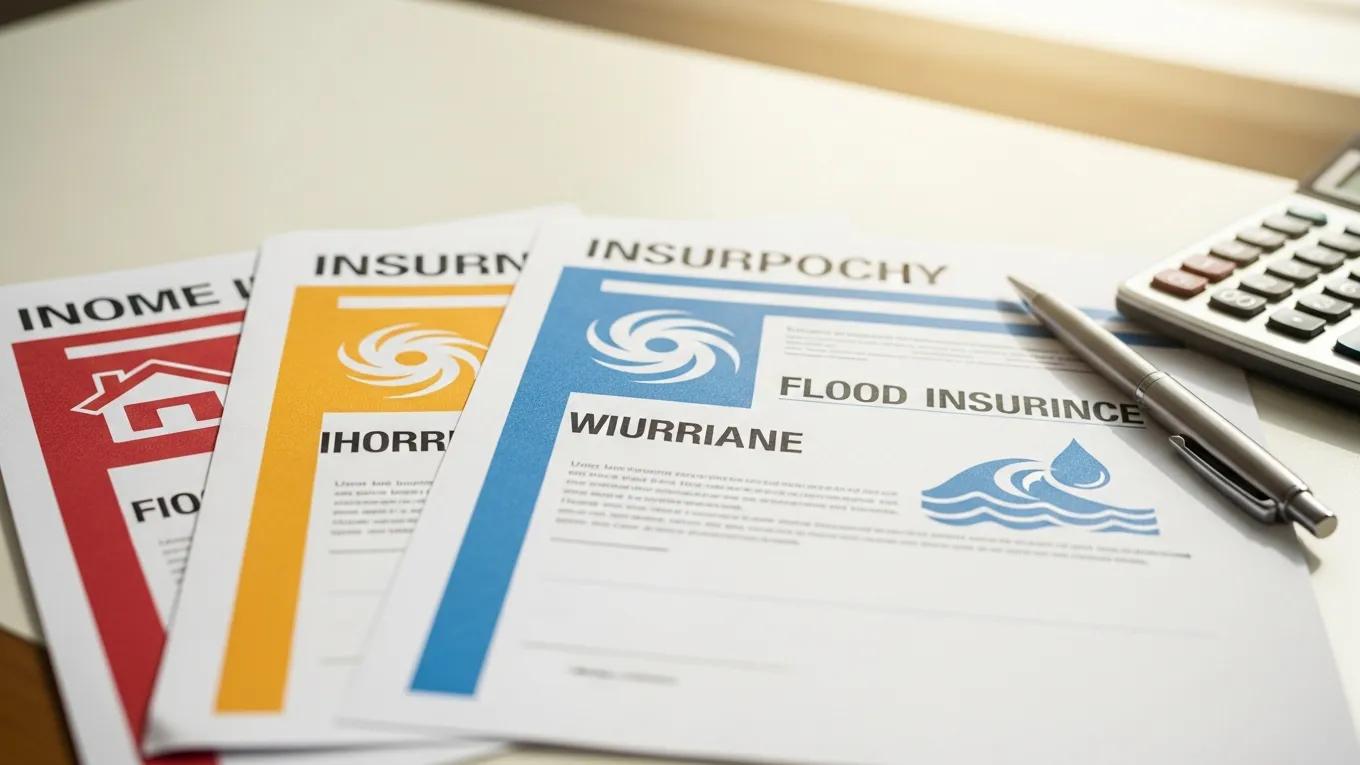
Homeowners can combine base policies with specific hurricane or flood coverage and add endorsements to match exposure and assets.
- Home Insurance: Primary policy for structural and liability protection.
- Hurricane Coverage: Windstorm-focused protection for hurricane-related damage.
- Flood Insurance: Separate coverage for rising or overflowing water.
- Additional Endorsements: Options for personal property, loss of use, and specific perils.
Choose coverages that reflect your location and likely loss scenarios.
Pricing Factors
Premiums are driven by a few predictable factors. Understanding them helps you evaluate quotes.
- Location: Coastal and high-risk zones cost more.
- Home Characteristics: Age, construction, and code compliance affect rates.
- Claims History: Past claims typically raise premiums.
- Mitigation Measures: Approved upgrades can earn discounts.
- Coverage Limits and Deductibles: Higher limits and lower deductibles increase premiums.
Review these before selecting limits or upgrades to reduce costs.
Tips for Securing the Best Policy
Use a consistent comparison process and keep clear records to choose the best coverage.
- Gather Multiple Quotes: Compare price and terms across insurers.
- Standardize Comparisons: Match limits and deductibles when comparing.
- Consult Local Advisors: Brokers offer area-specific insights.
- Document Your Property: Inventory and photos speed claims.
- Consider Bundling: Multi-policy discounts can reduce cost.
- Ask About Discounts: Inquire about mitigation and claims-free credits.
Research indicates that hurricane-resistant home improvements can lead to insurance premium discounts and other financial benefits.
Hurricane Mitigation and Insurance Premium Discounts
This choice experiment examined household preferences for a home improvement program that increased hurricane resistance in the Northeastern and Mid-Atlantic United States. Results indicate households value programs that combine matching grants for hurricane-resistant improvements with conditional insurance discounts.
Willingness to pay for hurricane-resistant home improvement programs: A choice experiment in northeastern and mid-Atlantic United States, WF Vásquez, 2017
| Factor | Description | Impact on Premium |
|---|---|---|
| Hurricane Mitigation Programs | Home improvement programs designed to increase hurricane resistance | Moderate to High Reduction |
| Matching Grants | Financial assistance that helps homeowners afford hurricane-resistant upgrades | Increases Participation → Indirect Reduction |
| Conditional Insurance Discounts | Premium discounts provided after implementing approved mitigation improvements | High Reduction |
| Household Preferences | Strong preference for combined financial incentives and insurance savings | Drives Adoption → Long-term Reduction |
| Study Region | Northeastern and Mid-Atlantic United States | Contextual (Varies by Risk Exposure) |
Application Process
Apply early and provide accurate documentation to avoid delays, especially during hurricane season.
- Consultation: Assess needs with an agent or broker.
- Information Gathering: Prepare property details, prior policies, and claims history.
- Timing: Allow extra time during peak seasons and note any waiting periods.
Complete applications carefully to secure timely coverage.
What Does Florida Hurricane Insurance Coverage Include?
Policies spell out covered damages, limits, and exclusions; read them closely to avoid gaps.
- Damages Covered: Typically wind damage, falling trees, and direct hurricane impacts.
- Policy Limits: Check caps for structure, contents, and other categories.
- Exclusions: Flooding is commonly excluded and needs separate coverage.
- Endorsements: Addons for personal property, loss of use, and specific risks.
Match limits and endorsements to your likely costs after a storm.
Understanding Windstorm and Hurricane Damage Protection
Windstorm protections target damage patterns from high winds and surge that standard policies may not fully address.
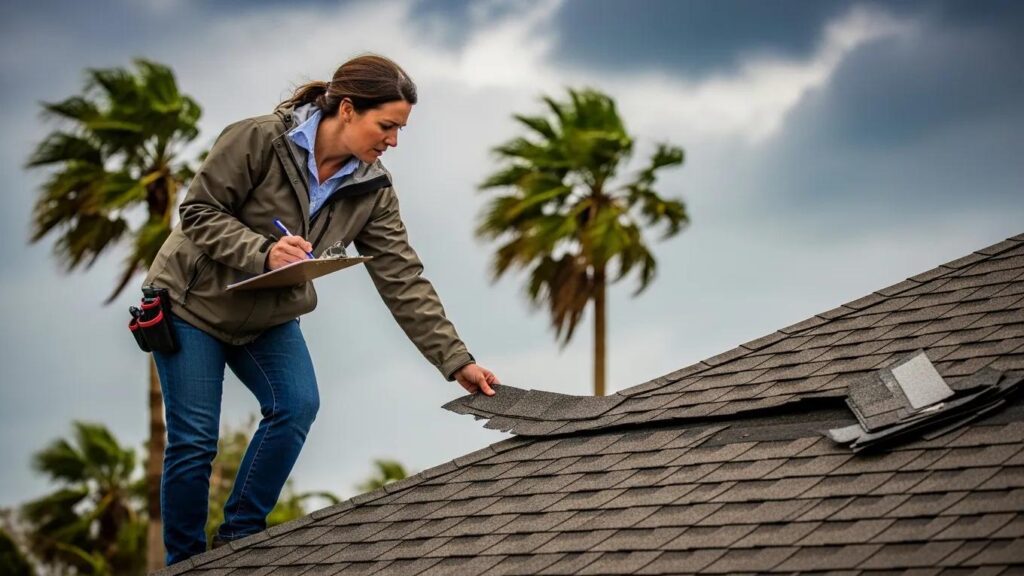
- Types of Damages: Roof failure, broken windows, and structural losses from wind.
- Protection Mechanisms: Insurers may require shutters, straps, or reinforced roofs for coverage or discounts.
Confirm insurer requirements and mitigation credits when choosing coverage.
How Hurricane Deductibles Affect Your Policy
Deductibles define your out-of-pocket responsibility and materially affect premiums.
Research shows a complex relationship among deductible choices, coverage levels, and the risk of under-insurance.
Hurricane Insurance Deductibles and Optimal Coverage
This study examines how rental insurance deductible choices and rent affordability jointly affect demand for rental insurance and the value of hurricane-related risk reduction. The analysis identifies an optimal deductible range that maximizes full coverage while minimizing under-insurance, and notes that mandatory programs without deductible constraints can increase both take-up and under-insurance.
Insurance deductible choice, rent affordability, and the value of hurricane risk reduction, S Awondo, 2026
- Percentage vs. Fixed: Many hurricane deductibles are a percentage of insured value.
- Premium Trade-off: Higher deductibles lower premiums but raise out-of-pocket risk.
- Choose Carefully: Pick a deductible you can afford after a loss.
Balance savings on premiums with realistic out-of-pocket exposure.
How Much Does Hurricane Insurance Cost in Florida?
Costs vary by location, home condition, claims history, and selected coverages; expect significant variation across properties.
Historical data illustrates the long-term influence of major hurricanes on insurance premiums in Florida.
Rising Florida Homeowner Hurricane Insurance Costs
Since Hurricane Andrew in 1992, homeowner insurance costs have risen substantially and remain a significant and contested issue in Florida public policy.
Florida public hurricane loss model: Research in multi-disciplinary system integration assisting government policy making, SC Chen, 1992
- Influencing Factors: Location, age, construction, and claims history.
- Expect Variation: Premiums reflect localized risk and selected limits.
Use quotes and local advice to estimate expected premiums for your property.
Comparing Florida Windstorm Insurance and Standard Coverage
Windstorm coverage focuses on wind-specific perils and may be required or offered separately from homeowners policies in some areas.
- Coverage Differences: Windstorm vs. standard homeowners cover different perils and terms.
- Cost Implications: Separate windstorm policies can increase total premiums in high-risk areas.
Compare terms carefully to avoid uncovered gaps after a storm.
Why Choose the Best Hurricane Insurance in Florida?
The right policy limits financial loss and speeds recovery after a storm.
- Comprehensive Coverage: Addresses likely hurricane-related losses.
- Financial Security: Reduces long-term financial disruption.
Prioritize coverages that protect structure, contents, and temporary living expenses.
Benefits of Personalized Financial Planning with Hurricane Insurance
Integrating insurance into a financial plan aligns protection with long-term goals and improves resilience.
- Tailored Coverage: Match policies to assets and risk tolerance.
- Long-term Security: Insurance complements saving and recovery plans.
Review coverage as part of routine financial planning.
How Independent Insurance Brokers Assist Florida Residents
Amerus Insurance Group will compare products across markets and advise on local options and discounts.
- Expert Guidance: Local knowledge and policy interpretation.
- Multiple Options: Access to varied carriers and products.
Brokers can streamline shopping and highlight mitigation credits.
How to File and Manage Hurricane Insurance Claims in Florida?

Document damage, notify your insurer promptly, and follow the policy claims process to improve outcomes.
- Filing Process: Photograph damage, secure temporary repairs, and contact your insurer.
- Efficient Management: Keep receipts, records, and all communications organized.
Step-by-Step Guide to Filing a Hurricane Insurance Claim
Follow insurer instructions and submit clear evidence to support your claim.
- Documentation Needed: Photos, receipts, inventories, and correspondence.
- Timeline: Meet filing deadlines and respond to requests quickly.
Prompt, well-documented submissions speed review and settlement.
Tips for Efficient Claim Management and Risk Mitigation
Organize records and adopt mitigation measures to reduce future losses and claims friction.
- Claim Management: Track communications and document every expense.
- Risk Mitigation: Invest in approved hurricane-resistant upgrades.
Proactive steps improve claim outcomes and may lower premiums over time.
Conclusion
Hurricane insurance is a key part of protecting property and finances in Florida. Understand your coverages, compare quotes, document your property, and work with trusted advisors to secure the policy that fits your needs and budget.
Frequently Asked Hurricane Insurance Questions
Hurricane insurance typically covers wind damage, including roof damage, broken windows, and structural impact from storms. Flood insurance, on the other hand, covers rising or overflowing water from storm surge or heavy rain. In Florida, flood insurance is usually purchased as a separate policy, as it is not included in standard homeowners insurance.
You can reduce your hurricane insurance premiums by installing wind mitigation features such as hurricane shutters, impact-resistant windows, and reinforced roofing. Maintaining a clean claims history, selecting a higher deductible, bundling policies, and comparing quotes from multiple insurers can also significantly lower your costs.
Yes, insurance companies in Florida often require homes to meet certain building standards and mitigation requirements to qualify for coverage or discounts. These can include roof age restrictions, storm protection features, and compliance with Florida building codes. Requirements vary depending on your location and insurance carrier.
If your claim is denied, start by reviewing the denial letter carefully to understand the reason. Gather documentation such as photos, repair estimates, and inspection reports, then request a reconsideration. If needed, you can hire a public adjuster or seek legal advice to help dispute the decision and pursue a fair settlement.
Timing is critical when applying for hurricane insurance. Many insurers impose waiting periods before coverage becomes active, and they may restrict new policies during active storms or peak hurricane season. Applying early ensures you avoid coverage gaps and have protection in place before a storm is imminent.
Yes, you can usually update your hurricane insurance policy after it has been issued. Common changes include adjusting coverage limits, adding endorsements, or modifying your deductible. Contact your insurance agent or provider to review your options and make updates that better fit your needs.
Independent insurance brokers work with multiple carriers to help you compare coverage options, pricing, and discounts. They can explain policy details, identify cost-saving opportunities, and match you with the most suitable hurricane insurance policy based on your home, location, and risk profile.