
Florida Home Insurance Guide: Understanding Coverage, Costs, and Broker Services
Florida homeowners face unique insurance choices because of hurricanes, coastal exposure and flood risk. This guide summarizes standard coverages, common exclusions, typical cost drivers, and how independent insurance brokers in Florida can help you compare policies and manage claims.
Key Takeaways
- Coverage typically includes dwelling, personal property and liability.
- Flood damage is usually excluded and requires a separate policy.
- Windstorm/hurricane coverage varies by insurer and may need supplements.
- Premiums depend heavily on location, home condition and claims history.
- Roof condition, safety features and personal risk factors affect rates.
- Discounts may be available for bundling, security systems and a claims-free record.
- Most lenders require homeowners insurance; state law requires clear disclosures.
- Independent brokers offer unbiased comparisons, claims support and compliance help.
What Does Florida Homeowners Insurance Cover?
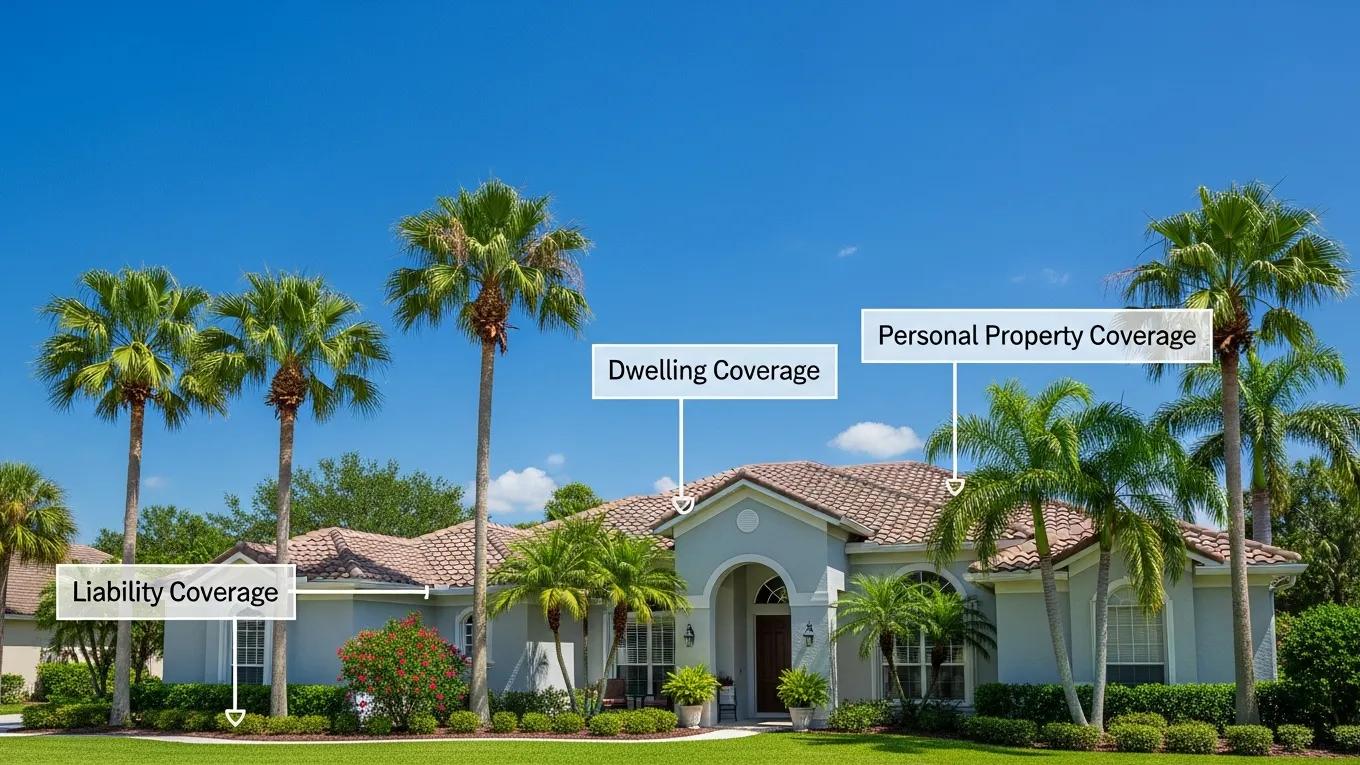
Standard homeowners insurance usually includes three core protections: dwelling (the home’s structure), personal property (belongings) and liability (legal costs if someone is injured on your property). These coverages help repair or replace damaged property and handle legal claims arising from accidents on your premises.
Which Risks Are Included in Standard Policies?
Typical policies cover perils such as fire, theft and vandalism but commonly exclude flood damage. Flood insurance must be purchased separately, often through the National Flood Insurance Program or private flood insurers.
Hurricane and windstorm coverage is critical in Florida. Some policies include wind damage but limits, wind deductibles and specific endorsements vary. Review your policy terms to identify gaps and consider additional wind or hurricane protection if needed.
How Does Windstorm and Hurricane Insurance Protect Your Home?
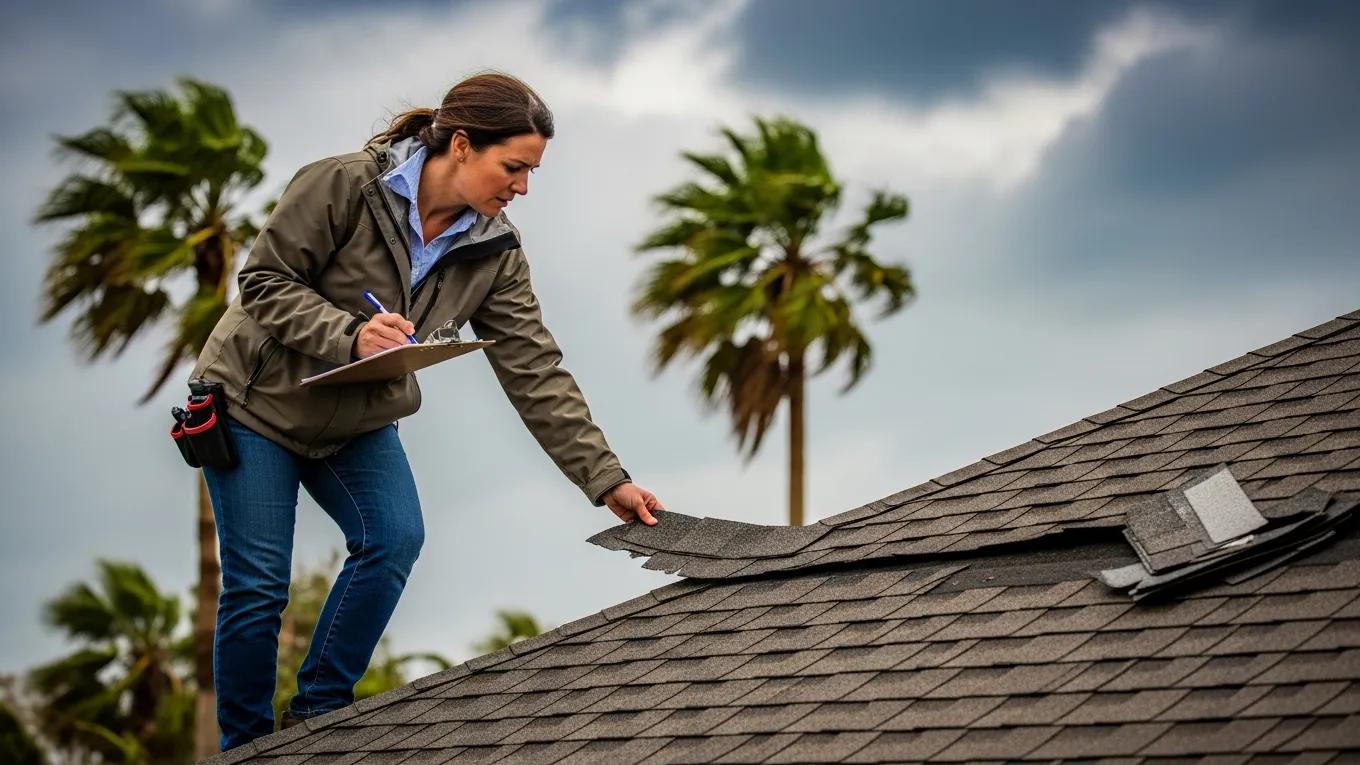
Windstorm and hurricane coverage pays to repair roof, siding and structural damage caused by high winds and tropical storms. After an event, insurers typically require documentation and an adjuster inspection to determine covered repairs and replacement costs.
The significant financial strain hurricanes place on Florida’s insurance market highlights the need to understand potential losses and the claims process.
Florida Wind Risk and Hurricane Insurance Costs
Florida’s exposure to windstorm risk—industry estimates place Hurricane Irma losses at approximately $3.86 billion, and Citizens estimated roughly 70,000 claims. Evaluating the public financing for Florida’s wind risk, JE Nicholson, 2018
Having appropriate windstorm/hurricane coverage reduces out-of-pocket repair costs and helps preserve property value after major storms.
How Much Does Homeowners Insurance Cost in Florida?
Premiums vary widely. Key cost drivers include the property’s proximity to the coast or flood zones, the age and construction of the home, safety features and the homeowner’s claims history. Coastal or high-risk properties typically pay more.
Below are common elements insurers consider when pricing policies:

| Factor | Description | Impact on Premium |
|---|---|---|
| Location | Proximity to coastlines or flood zones | High |
| Home Characteristics | Age, construction type, and safety features | Medium |
| Claims History | Previous claims made by the homeowner | High |
Knowing these drivers helps you estimate costs and choose appropriate coverage limits and deductibles.
What Factors Influence Florida Home Insurance Premiums?
Insurers evaluate many variables, including roof condition, installed safety systems and personal risk indicators like credit history and prior claims.
- Roof Condition: New or well-maintained roofs often lower premiums; older roofs can raise rates.
- Safety Features: Security systems, storm shutters and alarms may qualify for discounts.
- Personal Risk Factors: Credit and claims history influence underwriting and pricing.
Improving these areas can reduce premiums or make you eligible for additional savings.
Are There Discounts Available for Florida Home Insurance?
Yes. Many insurers offer savings for combined policies, safety upgrades and a clean claims record. Ask providers or your broker about discounts you qualify for.
- Bundling Discounts: Combine home and auto policies for lower rates.
- Home Security Discounts: Install verified alarm systems or smoke detectors.
- Claims-Free Discounts: Long periods without claims may earn lower premiums.
Applying eligible discounts can noticeably lower annual costs while maintaining necessary protection.
What Are Florida Home Insurance Requirements and Regulations?
Florida does not mandate homeowners insurance for all property owners, but mortgage lenders commonly require coverage. Insurers must clearly disclose coverages and exclusions under state law.
Familiarity with legal frameworks, including the Florida Valued Policy Law, is important when addressing hurricane damage claims and coverage determinations.
Florida Property Insurance Law and Hurricane Coverage
Discussion of the law and the method of recovery in the event of concurrent policies includes cases where insureds claimed that the Florida Valued Policy Law required specific treatment of windstorm losses. The wind and the waves: the evolution of Florida Property Insurance Law in response to multiple-causation hurricane damage, 2006
Review policy documents and consult your broker or the Florida Department of Financial Services if you need clarification about coverage or claim rights.
How to Choose the Best Independent Insurance Broker in Florida?
An independent broker can compare multiple insurers, advise on coverage gaps and help with claims. Look for a broker who offers transparent comparisons, claims support and ongoing client education.
When choosing a broker, consider:
- Services Offered: Policy comparisons, quotes and claims assistance.
- Unbiased Comparisons: Access to multiple carriers to find the right fit.
- Ongoing Support: Help with renewals, claims and regulatory questions.
A good broker helps tailor coverage to your home, budget and risk exposure.
What Services Do Florida Insurance Brokers Offer?
Brokers help homeowners find suitable policies, assist with claims and advise on compliance with state rules. Typical services include:
- Unbiased Comparisons: Side-by-side policy and price comparisons.
- Claims Support: Guidance on documentation and adjuster interactions.
- Compliance Assistance: Help understanding policy language and legal requirements.
These services simplify selecting coverage and managing claims effectively.
How Can Amerus Financial Group Support Your Insurance Needs?
Amerus Insurance Group connects homeowners with experienced brokers and focuses on broker recruitment and lead generation. By leveraging Amerus’ network, clients can access a range of insurance products and receive personalized guidance through quoting and claims.
Conclusion
Understanding Florida homeowners insurance—what is covered, what is excluded and how premiums are set—helps you choose appropriate protection. Work with an independent broker to compare options, find discounts and get support during claims to protect your investment and reduce financial risk.
Frequently Asked Homeowners Insurance Questions
Homeowners insurance typically covers risks like fire, theft, and certain storm damage, but it usually excludes flooding. Flood insurance is a separate policy designed specifically to cover water damage from rising water, storm surge, or heavy rainfall. In Florida, where flooding risks are high, having both policies is often essential for full protection.
Start by documenting all damage with photos and videos, then create a detailed inventory of affected items. Contact your insurance company as soon as possible to report the claim. An adjuster will be assigned to inspect the damage. Staying organized and maintaining communication with your insurer or agent can help speed up the process and improve your claim outcome.
Florida does not universally require landlords to carry insurance, but landlord insurance is strongly recommended. These policies typically cover property damage, liability protection, and loss of rental income. If the property is financed, your lender will likely require coverage as part of the loan agreement.
If your claim is denied, carefully review the explanation provided by your insurer. You may be able to submit additional documentation or request a re-evaluation. Working with an insurance agent or public adjuster can help strengthen your appeal. If necessary, you can seek legal advice or file a complaint with the appropriate regulatory agency.
It’s best to review your homeowners insurance policy at least once a year. You should also revisit your coverage after major life events such as home renovations, purchasing expensive items, or changes in occupancy. Regular reviews ensure your coverage limits are adequate and help you identify potential discounts.
The Florida Department of Financial Services regulates insurance companies operating in the state, ensures compliance with laws, and provides consumer protection. They offer resources for filing complaints, understanding your rights, and navigating claims disputes, helping homeowners make informed decisions about their coverage.
You can reduce your premium by increasing your deductible, installing storm-resistant features like impact windows, bundling policies, and taking advantage of available discounts. Comparing quotes from multiple insurers is also one of the most effective ways to find lower rates.
Yes, many insurance providers offer fast approvals, and in some cases, same-day coverage. Once your application is completed and payment is processed, your policy can often become active immediately, giving you proof of insurance right away.
In many Florida policies, windstorm or hurricane coverage may be included but with a separate deductible. In high-risk coastal areas, you may need a separate policy or endorsement. Reviewing your policy details ensures you understand what hurricane-related damage is covered.
Yes, you can compare homeowners insurance quotes online by entering basic property and personal details. This allows you to review multiple coverage options, pricing, and discounts side by side to find the best policy for your needs.
A standard homeowners policy generally covers the structure of your home, personal belongings, liability protection, and additional living expenses if your home becomes uninhabitable. Coverage may vary, so it’s important to review exclusions such as flooding or maintenance-related issues.
To find the best policy, compare multiple insurers, evaluate coverage limits, and consider deductibles and exclusions. Working with an independent agent or using online comparison tools can help you identify the best combination of price and protection tailored to your property.